
Olabi Sutras

How to Create a Standardized GRN Process Across All Stores.
A Goods Received Note (GRN) is one of the most critical checkpoints in retail operations. It is the moment where the physical flow of goods meets the digital record, ensuring that what a store receives matches what was ordered. A well-executed GRN process establishes inventory accuracy, keeps store operations running smoothly, and prevents mistakes from spilling into sales, replenishment, and finance. However, many retailers still struggle with inconsistent GRN practices across stores. When each location follows its own version of the process, different checks, different timelines, or different levels of documentation, errors multiply quickly. These inconsistencies lead to stock variances, [...]
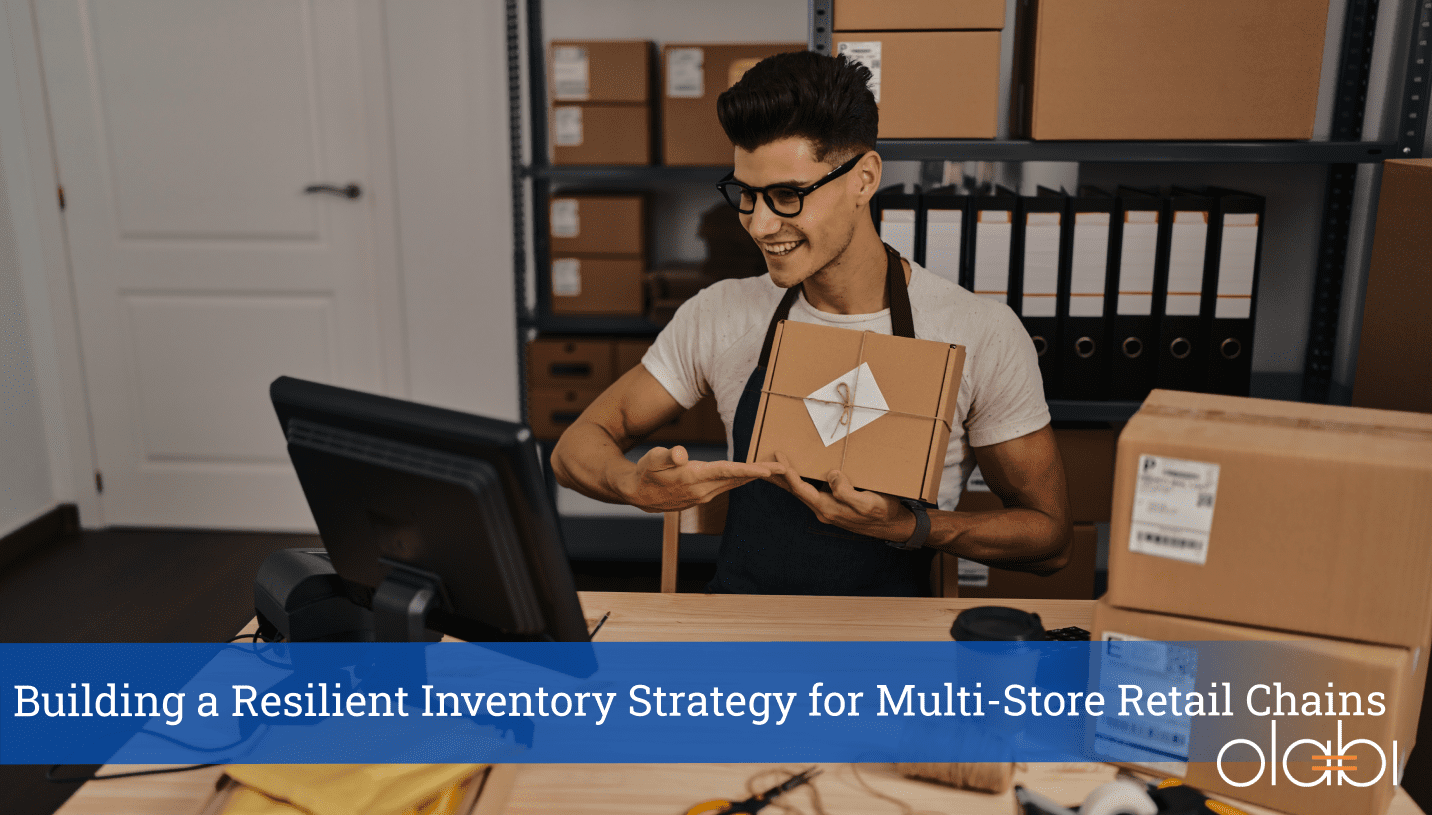
How to Build a Resilient Inventory Strategy for Multi-Store Retail Chains
A resilient inventory strategy is a structured, technology-driven approach that enables multi-store retail chains to maintain optimal stock levels, respond quickly to disruptions, and consistently meet customer demand across locations. Unlike single-store operations, multi-store retailers manage far greater complexity, varying regional demand patterns, different customer profiles, unpredictable seasonality, and diverse logistical constraints. In such an environment, real-time inventory visibility becomes non-negotiable. Retailers need an accurate, unified view of stock across every store, warehouse, and sales channel to avoid costly issues like overstocking, stockouts, and delayed replenishment. With retail becoming increasingly omnichannel, the need for technology-led inventory planning is stronger than [...]
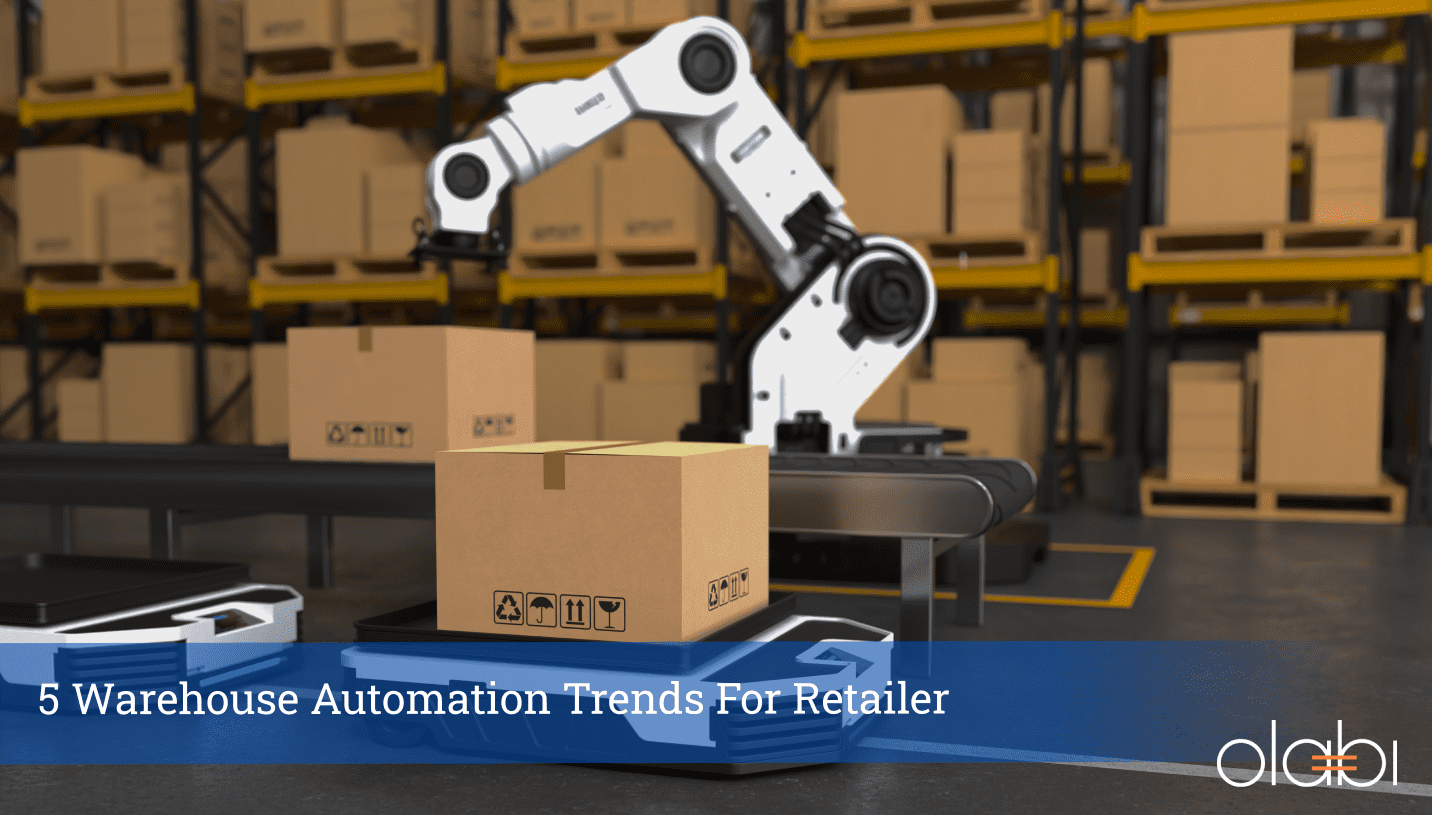
5 Warehouse Automation Trends Every Retailer Should Watch
Warehousing has become the backbone of modern retail operations, especially with the surge in e-commerce and omnichannel shopping. Retailers today are under constant pressure to process orders faster, reduce errors, and optimize costs, all while managing ever-growing product assortments. Traditional manual processes can no longer keep pace with these demands. This is where warehouse automation comes in. From robotics and IoT-enabled tracking to AI-driven forecasting, automation technologies are transforming warehouses into high-efficiency hubs. Retailers who embrace these innovations are not only improving accuracy and speed but also gaining a competitive edge in customer experience. In this blog, we’ll explore five [...]

Multi-Pricing with a Single SKU: How Big Brands Do It
One barcode, multiple price points, it’s how modern retail moves. Brands today need the flexibility to price the same product differently across channels, regions, and phases of the product lifecycle, without disrupting operations. Whether it’s outlet markdowns, geography-specific pricing, or online exclusives, multi-pricing has become a strategic necessity. But managing this variation using the same SKU or barcode demands more than just tagging; it requires strong systems, precise logic, and regulatory awareness. In this blog, we break down how leading brands enable multi-pricing with a single SKU, from backend systems and compliance, to real-world best practices that keep operations smooth [...]

How Modern Retail Platforms Handle SKU Variants, Kits, and Bundles at Scale
A single product isn’t always just a single SKU. It might come in five sizes, ten colors, or multiple configurations, each requiring distinct inventory tracking, pricing, and fulfillment rules. Add pre-defined kits or dynamic bundles into the mix, and product management quickly becomes a complex challenge for retail businesses operating at scale. Retail teams need systems that can not only support this complexity but make it manageable and scalable. From product master structuring to inventory logic and order processing, modern retail platforms are designed to handle SKU variants, kits, and bundles in a way that’s both efficient and channel-agnostic. In [...]

Agile vs. Lean Supply Chain Management: Which Strategy is Right for Your Business?
Supply chain management plays a critical role in ensuring that products reach customers efficiently. Two dominant strategies that businesses can adopt are Agile and Lean supply chain management. Each approach has distinct characteristics, advantages, and drawbacks, making it crucial for companies to select the strategy that aligns best with their unique needs. Understanding the difference between agility, which emphasizes flexibility and responsiveness, and leanness, which focuses on cost-efficiency and minimizing waste, can help your business thrive in a competitive market. In this blog, we’ll explore both strategies and guide you on how to choose the right supply chain management solution [...]
