
Olabi Sutras
Retail Clienteling in Omnichannel Retail: A Complete Guide
Today's customers don't think in terms of online and offline shopping, they simply expect every interaction with a brand to feel connected. A customer may discover a product on social media, research it on a retailer's website, visit a physical store to experience it, and complete the purchase through whichever channel is most convenient. Throughout this journey, they expect retailers to recognize their preferences, remember previous interactions, and deliver a consistent shopping experience. This shift has transformed customer expectations. Personalized service is no longer reserved for luxury brands; it has become a standard expectation across the retail industry. Customers value [...]
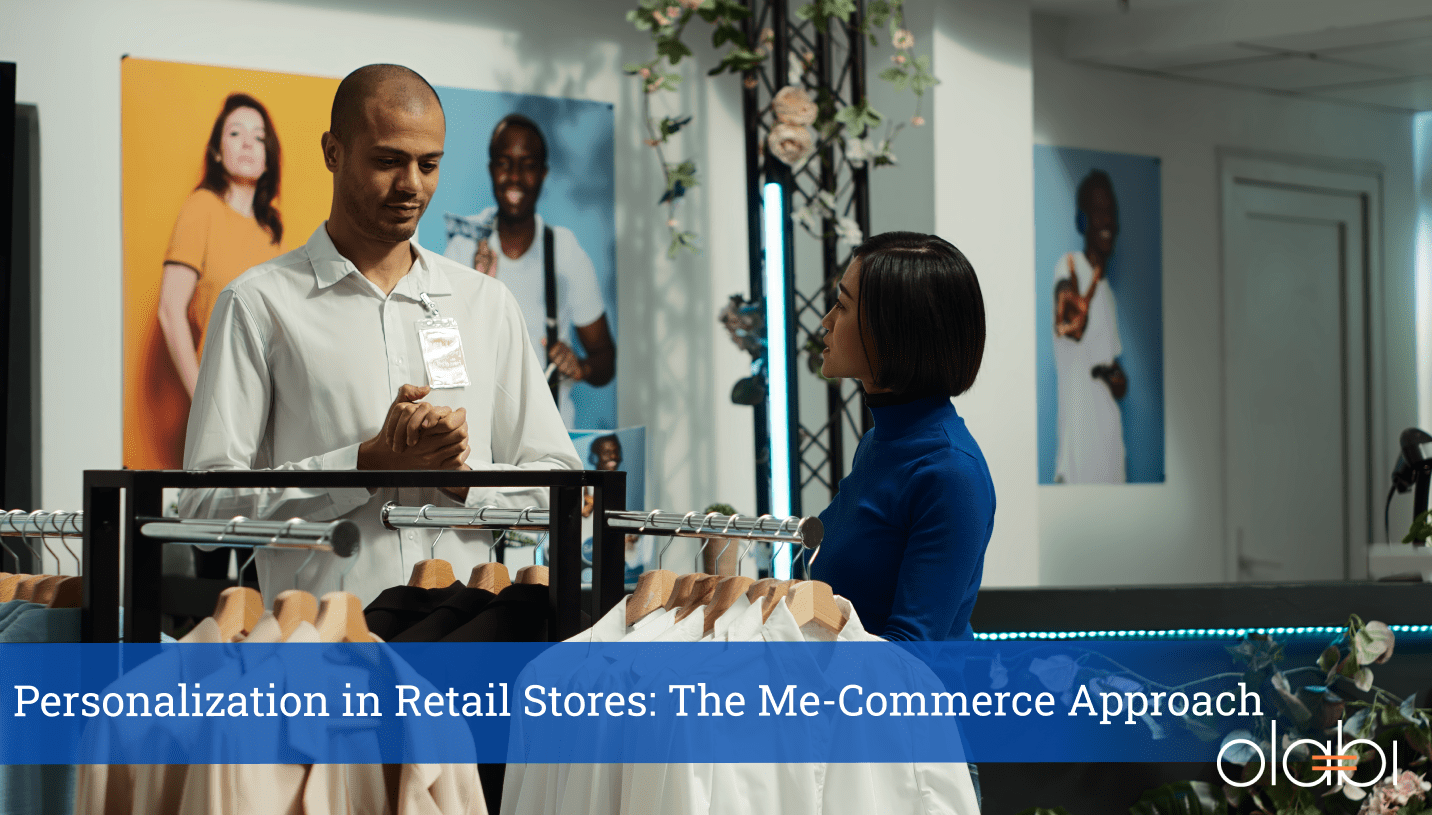
Personalization in Retail Stores: The Me-Commerce Approach to Modern Retail.
Personalization in retail stores has moved far beyond generic offers and loyalty discounts. Today’s shoppers expect relevant, individualized experiences inside the store, powered by their preferences, purchase history, and real-time context. This shift has given rise to Me-Commerce, an approach to retail that puts the individual customer at the center of every interaction. Instead of designing experiences around channels or stores, Me-Commerce enables retailers to deliver meaningful personalization at the moment it matters most: in-store. What Is Personalization in Retail Stores? Personalization in retail stores refers to the ability to tailor in-store experiences, offers, and interactions to individual customers [...]
How Incorrect Item Master Data Impacts Pricing, Promotions, and Margins
Pricing discrepancies, failed promotions, and margin erosion are often treated as execution problems, blamed on stores, systems, or market conditions. In reality, these issues are usually symptoms, not root causes. Retail leaders tend to focus on fixing price rules, tightening discount controls, or pushing corrective actions at the store level, without addressing the foundational issue that drives these outcomes. At the center of this problem lies item master data. Every commercial decision in retail, pricing, discount eligibility, taxation, replenishment, and margin reporting depends on how an item is defined in the system. Cost price, MRP, category hierarchy, tax codes, and [...]

Unified Commerce Explained: What It Is and Why Retailers Can’t Ignore It Anymore
For over a decade, retail growth strategies were built around channel expansion. Brands added e-commerce, marketplaces, mobile apps, social commerce, and quick commerce in an effort to meet customers wherever they shopped. For a while, this approach worked. More channels meant more reach, more orders, and visible top-line growth. That equation no longer holds. Today, simply adding channels is not translating into sustainable growth. In many cases, it is doing the opposite, increasing complexity, cost, and operational friction. Retailers now operate with multiple systems managing inventory, orders, customers, pricing, and fulfillment, often in isolation from one another. The result is [...]
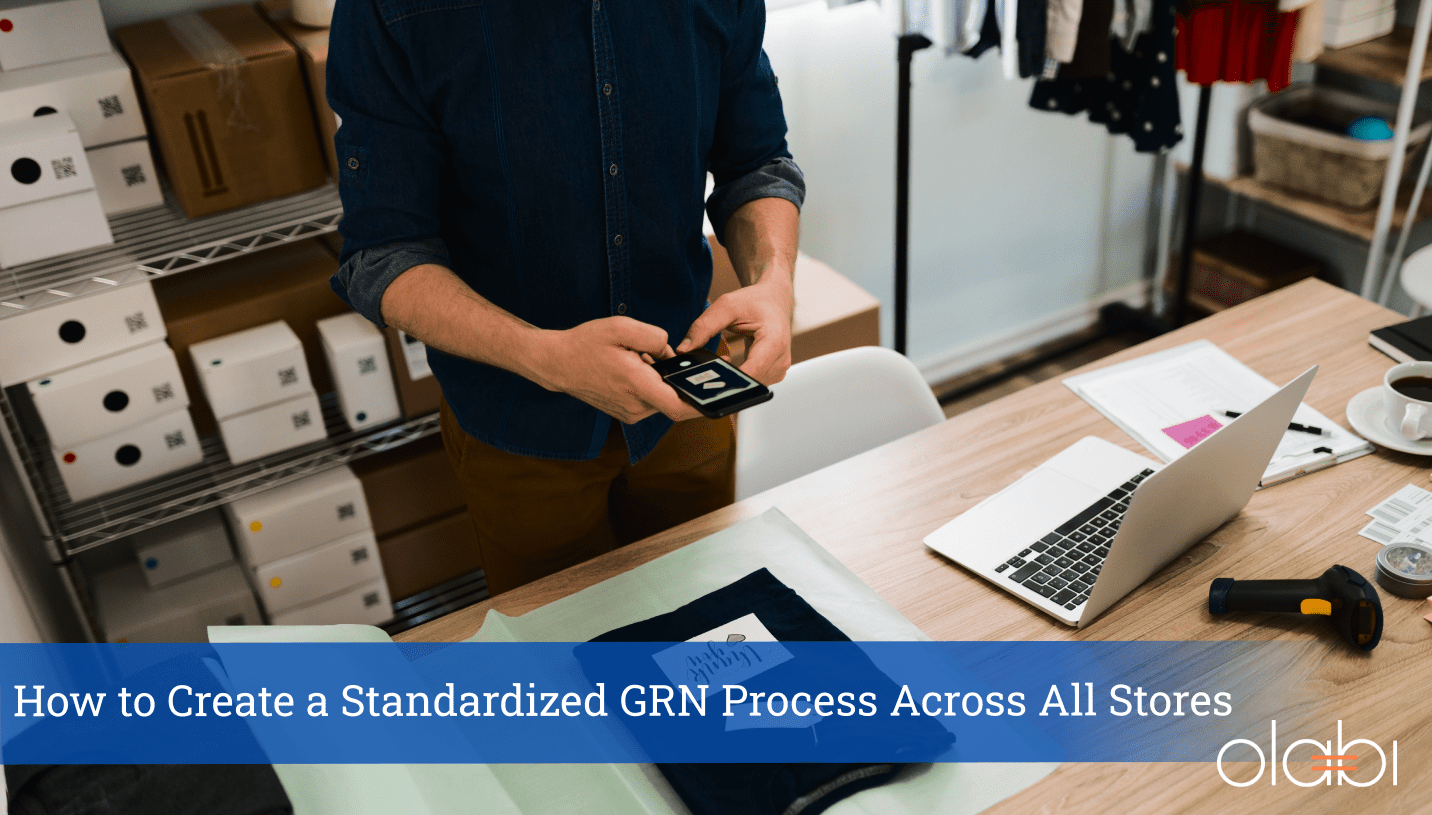
How to Create a Standardized GRN Process Across All Stores.
A Goods Received Note (GRN) is one of the most critical checkpoints in retail operations. It is the moment where the physical flow of goods meets the digital record, ensuring that what a store receives matches what was ordered. A well-executed GRN process establishes inventory accuracy, keeps store operations running smoothly, and prevents mistakes from spilling into sales, replenishment, and finance. However, many retailers still struggle with inconsistent GRN practices across stores. When each location follows its own version of the process, different checks, different timelines, or different levels of documentation, errors multiply quickly. These inconsistencies lead to stock variances, [...]
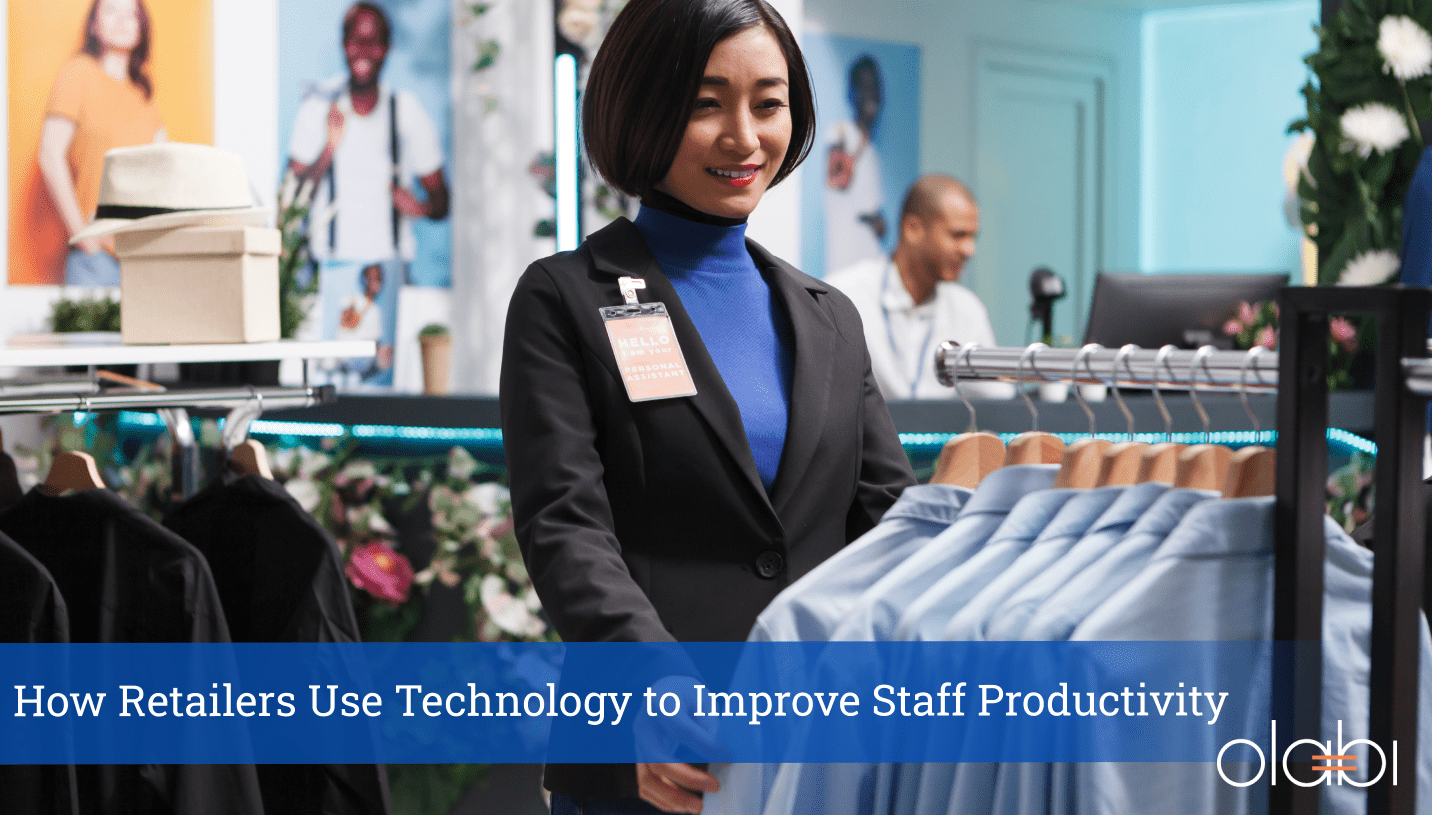
How Retailers Can Use Technology to Improve Store Staff Productivity
In today’s fast-paced retail environment, store staff productivity is one of the biggest drivers of operational efficiency and customer satisfaction. With rising consumer expectations and tighter competition, retailers can no longer rely on manual processes or traditional ways of working. Every minute saved and every task streamlined directly impacts store performance, sales, and the overall shopping experience. New Login part of the Olabi. Store teams today handle far more than just billing or basic customer interactions. Their responsibilities now include managing omnichannel tasks like click-and-collect and endless aisle orders, keeping inventory accurate in real time, handling returns efficiently, and delivering [...]
