
Olabi Sutras
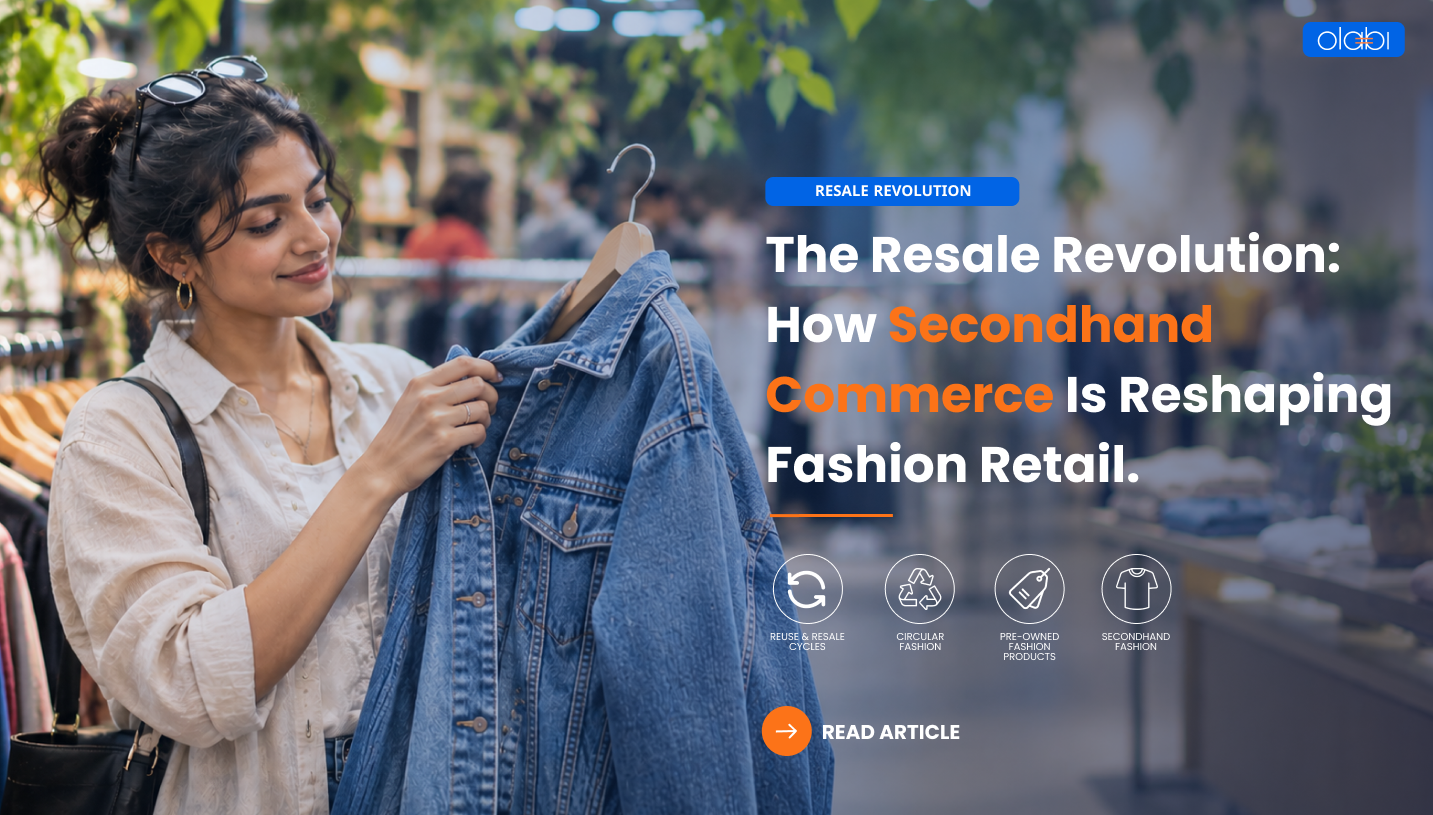
The Resale Revolution: How Secondhand Commerce Is Reshaping Fashion Retail
The fashion retail industry has traditionally revolved around creating, marketing and selling new products. However, changing consumer preferences, growing sustainability concerns and the demand for affordable fashion are challenging this conventional business model. An increasing number of consumers are now exploring pre-owned clothing, accessories and footwear, creating new opportunities for secondhand commerce.
What was once associated primarily with thrift stores and informal resale markets has evolved into a structured retail segment. Dedicated resale marketplaces, brand-operated programmes and digital platforms are making it easier for consumers to buy and sell pre-owned products. This shift is creating what can be described as the Resale Revolution, a transformation in how fashion products are purchased, owned, valued and resold.
For fashion retailers, this development represents more than a change in shopping habits. It introduces new revenue opportunities, encourages longer product lifecycles and creates additional ways to engage customers. As the resale market becomes more organised, established fashion brands must consider how secondhand commerce fits into their broader retail strategies.
What Is the Resale Revolution in Fashion Retail?
The Resale Revolution refers to the growing adoption of secondhand commerce as an established part of the fashion retail ecosystem. Instead of limiting a product’s commercial journey to its first purchase, resale allows it to retain value through multiple ownership cycles.
Consumers can purchase pre-owned products through online marketplaces, curated resale stores, consignment businesses and dedicated brand platforms. Sellers, meanwhile, can recover part of the original purchase value by listing products they no longer use.
There are several models through which resale operates:
- Peer-to-peer marketplaces: Platforms connect individual sellers directly with buyers, allowing consumers to list and purchase pre-owned products.
- Brand-owned resale programmes: Fashion brands introduce their own resale initiatives, enabling customers to return or exchange previously purchased products.
- Managed resale platforms: Specialised businesses handle product collection, authentication, quality assessment, listing and fulfilment on behalf of sellers or brands.
- Consignment and curated resale stores: Businesses select, evaluate and sell pre-owned fashion products, often focusing on premium, luxury or vintage categories.
These models are helping secondhand commerce move beyond fragmented transactions towards more organised retail experiences. They also provide established fashion brands with opportunities to participate in a market that previously operated largely outside their direct business models.
What Is Driving the Resale Revolution?
The growth of secondhand fashion is not driven by a single factor. It reflects several changes in consumer behaviour, economic priorities and retail expectations.
- Changing Consumer Preferences
Consumers are becoming more open to purchasing pre-owned fashion. Younger shoppers, in particular, are exploring alternative ways to discover brands, access premium products and express their individual style.
Secondhand shopping also offers access to discontinued collections, limited-edition products and vintage pieces that may no longer be available through traditional retail channels.
For fashion brands, this creates an opportunity to connect with consumers who may not have considered purchasing from them through conventional retail channels.
The fashion industry faces increasing scrutiny over resource consumption, textile waste and the environmental impact of production. Extending the useful life of clothing and accessories is one approach to addressing these concerns.
Resale supports the principles of a circular fashion economy by keeping products in use for longer instead of allowing them to become waste after their first ownership cycle.
However, resale should not automatically be treated as a complete sustainability solution. Its environmental benefits depend on factors such as transportation, packaging, product condition, and whether secondhand purchases genuinely replace new purchases.
For retailers, incorporating resale into their business models can strengthen their circularity initiatives while responding to customers who increasingly consider sustainability when making purchasing decisions.
- Digital Marketplaces and Social Commerce
Digital platforms have significantly reduced the barriers associated with buying and selling pre-owned fashion. Consumers can now discover products, compare prices, communicate with sellers and complete transactions without visiting physical resale stores.
Social media has also contributed to this shift. Fashion creators, influencers and online communities frequently showcase thrift finds, vintage collections and affordable styling ideas.
As resale becomes more visible across digital channels, it is attracting consumers who may previously have associated secondhand shopping with limited choice or inconsistent quality.
- Value-Conscious Shopping
Affordability remains an important factor influencing fashion purchases. Rising living costs and changing spending priorities have encouraged consumers to look for better value without necessarily compromising on brand preferences.
Resale allows shoppers to access premium products at prices below their original retail value. At the same time, sellers can recover some of their expenditure by giving products a second life.
This creates a marketplace where affordability and value recovery benefit both sides of the transaction.
How the Resale Revolution Is Changing Fashion Retail Business Models
The traditional fashion retail model generally focuses on selling newly manufactured products through physical stores, e-commerce platforms and other distribution channels. Resale introduces another commercial layer by allowing products to generate value beyond their initial sale.
For fashion retailers, this creates several opportunities.
- Creating Additional Revenue Streams
Resale allows brands to participate in transactions involving products they originally sold but may no longer directly engage with. Depending on the business model, retailers can generate revenue through resale commissions, product buybacks, consignment fees or managed resale services.
This provides an additional commercial opportunity without relying exclusively on the sale of newly manufactured products.
- Introducing Buyback and Trade-In Programmes
Brands can encourage customers to return previously purchased products in exchange for store credits, discounts or monetary compensation.
These programmes can bring customers back into the brand’s ecosystem while creating opportunities to resell eligible products. They can also strengthen customer engagement by giving shoppers a reason to interact with the brand after their initial purchase.
- Building Brand-Owned Resale Platforms
Instead of allowing all secondhand transactions to take place through external marketplaces, fashion retailers can establish their own resale programmes.
A brand-owned approach offers greater control over product selection, pricing guidelines, customer experience and brand presentation. It can also help retailers maintain a closer relationship with customers throughout a product’s lifecycle.
- Reaching New Customer Segments
Resale can introduce a brand to customers who may find its original retail prices inaccessible. Pre-owned products provide an alternative entry point, particularly for premium and luxury fashion categories.
A positive secondhand shopping experience may encourage these customers to explore the brand’s new collections over time.
- Extending Customer Relationships
Traditional retail engagement often focuses on the period before and immediately after a purchase. Resale creates additional opportunities to interact with customers when they decide to exchange, resell or purchase previously owned products.
This gives fashion brands more ways to maintain customer relationships beyond individual transactions.
How Leading Fashion Brands Are Embracing Resale
Several established fashion brands have already introduced initiatives that demonstrate how resale can become part of a broader retail strategy.
Patagonia – Worn Wear
Patagonia’s Worn Wear programme is one of the widely recognised examples of a brand-led resale initiative. It allows customers to trade in eligible used Patagonia products and purchase selected pre-owned items.
The programme supports the company’s emphasis on product durability, repair and reuse. Rather than treating a product’s first sale as the end of its commercial journey, Patagonia encourages customers to extend its useful life.
Levi’s – SecondHand
Levi’s introduced its SecondHand programme to create opportunities for customers to buy and sell previously owned Levi’s products.
The initiative connects the brand’s established identity with the growing demand for vintage and pre-owned denim. It also demonstrates how resale can complement a brand’s existing product portfolio.
lululemon – Like New
lululemon’s Like New programme enables customers to trade in eligible pre-owned products and shop for used items through its resale platform in participating markets.
The initiative creates another way for customers to engage with the brand while supporting product reuse and circularity.
Gucci – Gucci Preloved
Gucci has also participated in the luxury resale ecosystem through curated pre-owned offerings and partnerships. Such initiatives reflect the growing acceptance of secondhand luxury products, where authenticity, condition and brand heritage play an important role in purchasing decisions.
These examples demonstrate that resale is not limited to independent thrift stores or marketplace businesses. Established fashion brands can incorporate it into their customer engagement and commercial strategies in different ways.
Challenges Fashion Retailers Must Overcome
Although the Resale Revolution creates significant opportunities, building a reliable resale business is not straightforward. Retailers must address several operational and commercial challenges before expanding into secondhand commerce.
- Product Authenticity and Counterfeit Risks
Authenticity is particularly important in premium and luxury fashion. Buyers need confidence that products are genuine, especially when purchasing expensive pre-owned items.
Retailers must establish reliable verification processes, product documentation and authentication standards to minimise counterfeit risks and protect customer trust.
- Inconsistent Product Quality
Unlike new merchandise, pre-owned products have different levels of wear, damage and overall condition. A consistent approach to product grading is therefore essential.
Retailers need clear quality categories and assessment guidelines so customers understand exactly what they are purchasing.
- Reverse Logistics Complexity
Traditional retail logistics generally move products from manufacturers or distribution centres towards stores and customers. Resale introduces additional movement in the opposite direction.
Products must be collected, inspected, sorted, authenticated, stored and prepared for resale. Managing these activities efficiently can become challenging as transaction volumes increase.
- Pricing and Product Valuation
Determining the resale value of a product requires consideration of its original price, brand, condition, demand, age and availability.
An unrealistic price may discourage buyers, while undervaluing products can reduce seller participation and profitability. Retailers need consistent pricing guidelines that balance customer expectations with commercial viability.
- Maintaining Customer Trust
Customers expect transparent product descriptions, reliable payments, secure transactions and clear return policies.
A poor experience involving an inaccurate product description, delayed delivery or disputed authenticity can affect confidence in the entire resale platform. Retailers must therefore establish clear service standards across the buying and selling journey.
- Integration With Existing Retail Operations
For established brands, resale cannot operate as an isolated activity indefinitely. It must work alongside existing customer engagement, commerce, payment and fulfilment processes.
Retailers need clear operational ownership and connected processes to manage resale transactions without creating unnecessary complexity across their existing business.
Key Metrics to Measure Resale Business Performance
As fashion retailers introduce resale programmes, measuring their performance becomes essential. Beyond transaction volumes, businesses should evaluate profitability, customer engagement and operational efficiency.
Some important metrics include:
| KPI | What it measures |
| Resale sell-through rate | Percentage of listed products successfully sold. |
| Average resale order value | Average transaction value across resale purchases. |
| Product recovery value | Value recovered through resale of pre-owned products. |
| Time to resale | Average time taken for a listed product to sell. |
| Repeat purchase rate | Percentage of customers making repeat resale purchases. |
| Authentication success rate | Percentage of submitted products successfully verified. |
| Contribution margin | Revenue remaining after direct resale operating costs. |
Tracking these metrics helps retailers understand whether their resale initiatives are commercially sustainable and where operational improvements may be required.
Conclusion
The Resale Revolution is changing how fashion products are valued, purchased and sold. What was once considered a secondary market is increasingly becoming an organised part of the wider fashion retail ecosystem.
For established retailers, this presents an opportunity to explore additional revenue streams, connect with new customer segments and extend the commercial lifecycle of their products. However, succeeding in resale requires more than simply launching a marketplace. Brands must build customer trust, establish reliable product assessment processes and manage the operational complexity of secondhand transactions.
As fashion retail continues to evolve, businesses that recognise resale as a strategic extension of their existing retail model will be better positioned to explore its commercial potential.
At Olabi, we believe the next phase of retail growth will be shaped by connected, consumer-centric and scalable retail operations. As business models evolve, having the right retail technology foundation becomes increasingly important for brands looking to adapt to changing customer expectations and new commercial opportunities. Schedule a demo with our team now to know more.
Share This Story, Choose Your Platform!
About the Author: Olabi

