
Olabi Sutras
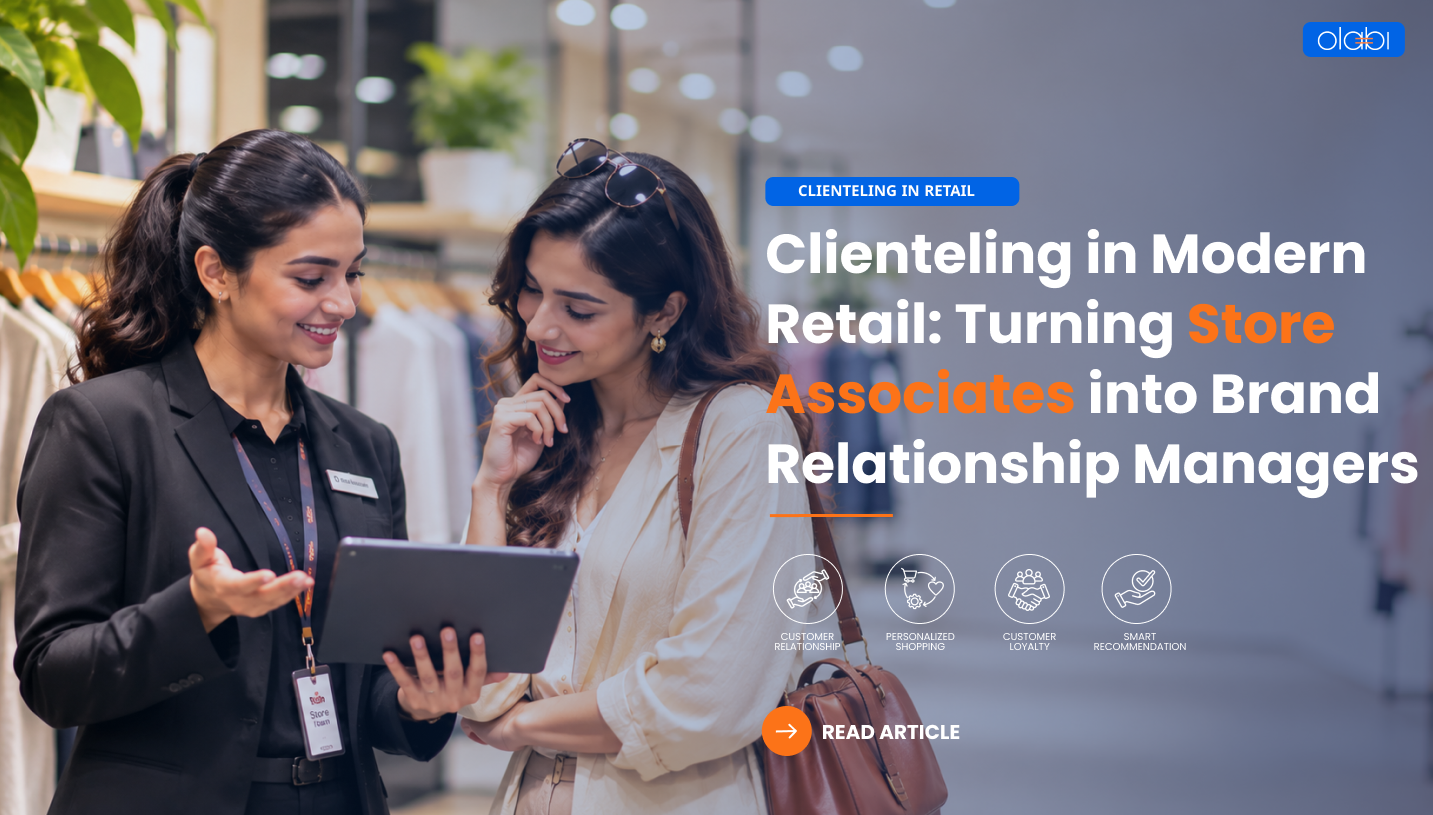
Clienteling in Modern Retail: Turning Store Associates into Brand Relationship Managers
Retail is no longer just about helping customers find products and completing transactions. Today’s shoppers expect personalized recommendations, convenient experiences, and meaningful interactions with the brands they choose. As competition increases across physical and digital channels, retailers need to find better ways to build lasting customer relationships.
This is where clienteling in modern retail becomes increasingly important. Instead of focusing exclusively on individual sales, clienteling helps retailers understand customer preferences, purchase behaviour, and interests to deliver more personalized shopping experiences.
It also changes the role of store associates. With access to relevant customer information and the right technology, employees can move beyond traditional selling and become trusted brand relationship managers.
For fashion, footwear, and lifestyle retailers, clienteling creates an opportunity to strengthen customer engagement, encourage repeat purchases, and deliver experiences that go beyond the store visit.
What Is Clienteling in Modern Retail?
Clienteling in modern retail refers to the practice of building personalized, long-term relationships with customers through informed interactions and tailored shopping experiences.
It involves understanding individual customer preferences, purchase history, product interests, and previous interactions to provide more relevant recommendations and assistance.
For example, imagine a customer who regularly purchases formal clothing from a particular fashion brand. During their next store visit, an associate with access to relevant customer information can recommend new arrivals that complement the customer’s previous purchases. The associate can also inform them about suitable collections or upcoming product launches.
This creates a more personal experience than simply recommending products based on what is currently available in the store.
Clienteling combines three important elements: customer understanding, personalized engagement, and technology-enabled selling. When these elements work together, retailers can create more meaningful interactions at every stage of the customer journey.
Why Clienteling in Modern Retail Matters for Today’s Retailers
Customer expectations have changed considerably. Shoppers have access to multiple brands, digital platforms, product reviews, and purchasing options. As a result, retailers need to offer more than competitive pricing and attractive products.
Clienteling in modern retail helps address several important business challenges.
Changing customer expectations
Customers increasingly value experiences that recognize their individual preferences. Generic recommendations and repetitive promotional messages may not create meaningful engagement.
By understanding customer interests and previous purchases, retailers can make interactions more relevant and useful.
Increasing competition among retail brands
When customers have several brands to choose from, the shopping experience can influence their purchasing decisions. Personalized assistance gives retailers an opportunity to differentiate themselves beyond products and pricing.
Improving customer retention
Acquiring new customers requires time and investment. Building relationships with existing customers can encourage repeat purchases and strengthen brand loyalty.
Clienteling helps retailers maintain engagement beyond individual transactions.
Connecting online and offline experiences
Customers frequently research products online before visiting physical stores. They may also discover products in stores and complete purchases through digital channels.
Clienteling in modern retail helps bridge these interactions by making relevant customer information available across supported touchpoints.
How Store Associates Become Brand Relationship Managers
Store associates play a significant role in shaping customer experiences. However, their responsibilities often extend beyond product demonstrations, billing, and basic customer assistance.
With an effective clienteling approach, associates can develop stronger customer relationships and provide more personalized service.
Understanding individual customer preferences
Access to relevant customer profiles helps associates understand preferred brands, categories, sizes, styles, and previous purchases. This information provides useful context during customer interactions.
For instance, a footwear associate can use previous purchase information to understand a customer’s preferred styles and recommend relevant new collections.
Delivering personalized product recommendations
Rather than recommending products based only on current promotions, associates can suggest options that align with individual customer interests.
In fashion retail, this could involve recommending accessories that complement a previously purchased outfit or introducing a new collection based on a customer’s preferred style.
Building relationships beyond store visits
Customer engagement does not have to end when someone leaves the store.
With appropriate customer consent, associates can share relevant product updates, new collection announcements, appointment invitations, and personalized recommendations through supported communication channels.
These interactions help maintain brand engagement between purchases.
Providing personalized shopping assistance
Store associates can help customers explore alternatives, compare products, discover complementary items, and make informed purchasing decisions.
This makes the shopping experience more consultative and less transactional.
The Role of Technology in Clienteling in Modern Retail
Personalized customer engagement becomes difficult when customer information is scattered across different systems. Technology helps retailers bring relevant information together and make it accessible to employees when they need it.
Several retail capabilities support clienteling in modern retail.
Single View of Customer
A Single View of Customer brings relevant customer information together, including purchase history, preferences, loyalty details, and previous interactions.
This helps associates understand customer behaviour without switching between multiple applications. It also provides a stronger foundation for delivering consistent experiences across stores and digital channels.
Mobile POS and assisted selling
Mobile POS allows store associates to assist customers beyond the traditional checkout counter.
Employees can access relevant product information, support assisted selling, and complete transactions from different areas of the store. This makes it easier to combine personalized assistance with a convenient purchasing experience.
CRM and customer engagement integration
Connecting CRM platforms with retail applications can help make customer information available across relevant business functions.
Associates and customer service teams can use this information to understand previous interactions and provide more consistent support.
Loyalty management integration
Loyalty programs provide useful information about customer engagement, membership activity, and reward preferences.
When loyalty information is accessible during store interactions, associates can help customers understand available benefits and recommend relevant offers.
Customer insights and analytics
Retail analytics can help brands identify purchasing patterns, popular product categories, and customer engagement trends.
These insights allow retailers to improve their clienteling strategies and make customer interactions more relevant.
Practical Clienteling Strategies Retailers Can Implement
Building an effective clienteling program requires more than introducing new software. Retailers need clear processes that help store employees use customer insights effectively.
Here are some practical clienteling strategies retailers can implement.
- Build meaningful customer profiles: Capture relevant customer preferences, purchase information, and product interests with appropriate consent. Ensure that the information remains accurate and useful.
- Train store associates in personalized selling: Help employees understand customer needs, ask relevant questions, and make thoughtful recommendations instead of focusing exclusively on transaction completion.
- Introduce personalized product recommendations: Use available customer insights to suggest products based on individual preferences and previous purchases.
- Maintain engagement after purchases: Encourage appropriate follow-ups through relevant product updates, new collection announcements, and personalized communication.
- Connect online and offline interactions: Make relevant customer information accessible across supported channels so customers receive consistent assistance regardless of where they shop.
- Use loyalty insights effectively: Help associates understand customer membership benefits and reward preferences to make shopping experiences more engaging.
- Measure relationship-building outcomes: Evaluate repeat purchases, customer retention, engagement, and sales performance to understand the effectiveness of clienteling initiatives.
Clienteling Use Cases Across Fashion and Lifestyle Retail
Clienteling in modern retail can be applied across different retail categories, although the approach may vary depending on customer expectations and product characteristics.
Fashion retail
Fashion brands can use clienteling to understand customer preferences, recommend complementary outfits, and introduce new collections based on previous purchases.
Associates can also support personalized styling appointments and notify customers about relevant product launches.
Footwear retail
Footwear associates can use information such as preferred brands, sizes, styles, and previous purchases to recommend suitable products.
They can also suggest complementary accessories or notify customers about new arrivals that match their interests.
Luxury retail
Luxury brands often emphasize personalized service and long-term customer relationships.
Clienteling can help associates provide tailored shopping assistance, organize exclusive collection previews, and maintain meaningful engagement with high-value customers.
Lifestyle and accessories retail
Retailers selling watches, handbags, accessories, and lifestyle products can use clienteling to recommend complementary products, communicate relevant launches, and encourage repeat engagement.
How to Measure the Business Impact of Clienteling in Modern Retail
Retailers should evaluate clienteling initiatives through measurable business outcomes rather than relying only on the number of customer interactions.
Some important metrics include:
- Repeat Purchase Rate: Measures how frequently customers return to make additional purchases.
- Customer Lifetime Value: Estimates the total value a customer generates throughout their relationship with the brand.
- Average Transaction Value: Helps retailers understand whether personalized recommendations contribute to higher transaction values.
- Conversion Rate: Measures the percentage of customer interactions that result in purchases.
- Customer Retention Rate: Indicates how effectively retailers maintain existing customer relationships.
- Clienteling Engagement Rate: Tracks customer responses to personalized communications and interactions.
- Sales per Associate: Helps evaluate the contribution of store employees to overall sales performance.
Retailers should evaluate these metrics together to understand how clienteling influences customer engagement, store productivity, and business performance.
Challenges in Implementing Clienteling in Modern Retail
Despite its potential benefits, implementing clienteling across multiple retail locations requires careful planning.
One common challenge is fragmented customer information. When data is spread across POS, CRM, and loyalty applications, associates may not have access to the information required for personalized interactions.
Employee adoption is another important consideration. Store associates need adequate training to use customer insights naturally without making interactions feel intrusive or overly scripted.
Retailers must also prioritize customer privacy and consent. Personal information should be collected, stored, and used responsibly, with clear access controls and appropriate communication preferences.
Finally, consistency across multiple stores can be difficult to maintain. Retailers need standardized processes, suitable technology, and ongoing employee training to ensure that customer experiences remain consistent across locations.
The Future of Clienteling in Modern Retail
The future of clienteling in modern retail will increasingly involve combining human interaction with digital intelligence.
AI-assisted recommendations may help associates identify relevant products based on customer preferences and purchasing patterns. Mobile-first clienteling tools can make customer information more accessible across the store, while connected retail platforms can support more consistent experiences across physical and digital channels.
Predictive customer insights may also help retailers anticipate shopping interests and identify opportunities for more relevant engagement.
However, technology should support the human relationship rather than replace it. The ability to understand customer needs, provide thoughtful recommendations, and build trust will remain central to successful clienteling.
Conclusion
Clienteling in modern retail represents a shift from transaction-focused selling towards relationship-driven customer engagement. It empowers store associates with relevant customer insights, helps brands deliver personalized shopping experiences, and creates opportunities to strengthen long-term customer relationships.
For retailers, successful clienteling requires the right combination of skilled employees, connected technology, reliable customer information, and well-defined engagement strategies.
With the right retail technology foundation, store associates can become more than sales representatives. They can become valuable brand relationship managers who create meaningful experiences and encourage customers to return.
Looking to create more connected and personalized retail experiences? Olabi’s connected retail solutions help retailers bring together store operations, customer insights, loyalty, and assisted selling capabilities. Discover how Olabi can help your business strengthen customer engagement and deliver a more seamless shopping journey. Schedule a demo with Olabi today.
Share This Story, Choose Your Platform!
About the Author: Olabi

