
Olabi Sutras
5 Warehouse Automation Trends Every Retailer Should Watch
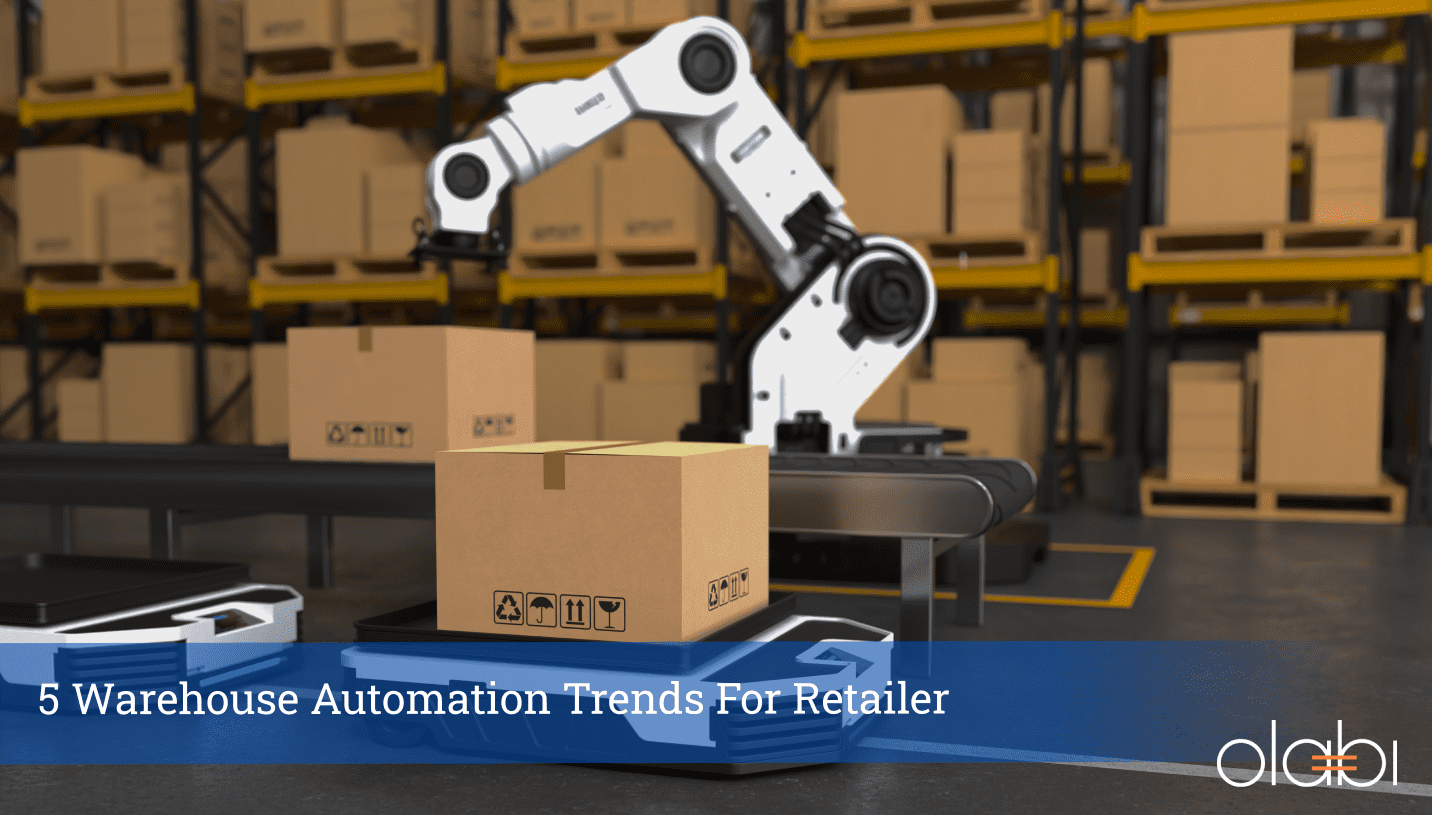
Warehousing has become the backbone of modern retail operations, especially with the surge in e-commerce and omnichannel shopping. Retailers today are under constant pressure to process orders faster, reduce errors, and optimize costs, all while managing ever-growing product assortments. Traditional manual processes can no longer keep pace with these demands. This is where warehouse automation comes in. From robotics and IoT-enabled tracking to AI-driven forecasting, automation technologies are transforming warehouses into high-efficiency hubs. Retailers who embrace these innovations are not only improving accuracy and speed but also gaining a competitive edge in customer experience. In this blog, we’ll explore five [...]

Multi-Pricing with a Single SKU: How Big Brands Do It
One barcode, multiple price points, it’s how modern retail moves. Brands today need the flexibility to price the same product differently across channels, regions, and phases of the product lifecycle, without disrupting operations. Whether it’s outlet markdowns, geography-specific pricing, or online exclusives, multi-pricing has become a strategic necessity. But managing this variation using the same SKU or barcode demands more than just tagging; it requires strong systems, precise logic, and regulatory awareness. In this blog, we break down how leading brands enable multi-pricing with a single SKU, from backend systems and compliance, to real-world best practices that keep operations smooth [...]
How Modern Retail Platforms Handle SKU Variants, Kits, and Bundles at Scale
A single product isn’t always just a single SKU. It might come in five sizes, ten colors, or multiple configurations, each requiring distinct inventory tracking, pricing, and fulfillment rules. Add pre-defined kits or dynamic bundles into the mix, and product management quickly becomes a complex challenge for retail businesses operating at scale. Retail teams need systems that can not only support this complexity but make it manageable and scalable. From product master structuring to inventory logic and order processing, modern retail platforms are designed to handle SKU variants, kits, and bundles in a way that’s both efficient and channel-agnostic. In [...]

How Store Level Inventory Transfers Should Be Managed
Inventory rarely moves at the same rate across every store. While one location may struggle with overstock, another may run low on the same items. In such situations, store level inventory transfers offer a practical way to redistribute stock and meet local demand without relying on central warehouses. However, these transfers often become a weak link in the retail operations chain, handled manually, tracked poorly, and prone to errors. When not managed correctly, they can lead to stock discrepancies, customer dissatisfaction, and operational inefficiencies. In this blog, we’ll break down how store level inventory transfers should be managed, from common [...]

Mastering Barcode System Efficiency in Retail: Challenges & Best Practices
In retail, barcode system are the backbone of efficient store operations. From managing inventory and streamlining checkouts to preventing pricing discrepancies and reducing human errors, barcodes have transformed the way retailers operate. Whether in large department stores or small boutique outlets, barcode system efficiency plays a crucial role in ensuring smooth business processes and a seamless customer experience. However, despite their widespread adoption, barcode system are not without challenges. Retailers often face issues such as scanning errors, mislabeled products, inventory mismatches, and integration difficulties with POS systems. Poor barcode quality, damaged labels, or outdated scanning equipment can slow down operations, [...]

What’s the Difference? Inventory Planning vs. Demand Planning/Forecasting Explained
In supply chain management, staying ahead of market demand while maintaining cost-efficiency is a delicate balancing act. Businesses must ensure that inventory levels are neither too high, resulting in excess costs, nor too low, risking stock outs and lost sales. This balancing act relies on two key processes: Inventory Planning and Demand Planning/Forecasting. Although these terms are often used interchangeably, they serve distinct purposes in managing supply chain efficiency. Each plays a unique role in ensuring that businesses can meet customer demand, optimize resources, and remain agile in an ever-changing market. In this blog, we’ll demystify the differences between Inventory [...]
