
Olabi Sutras
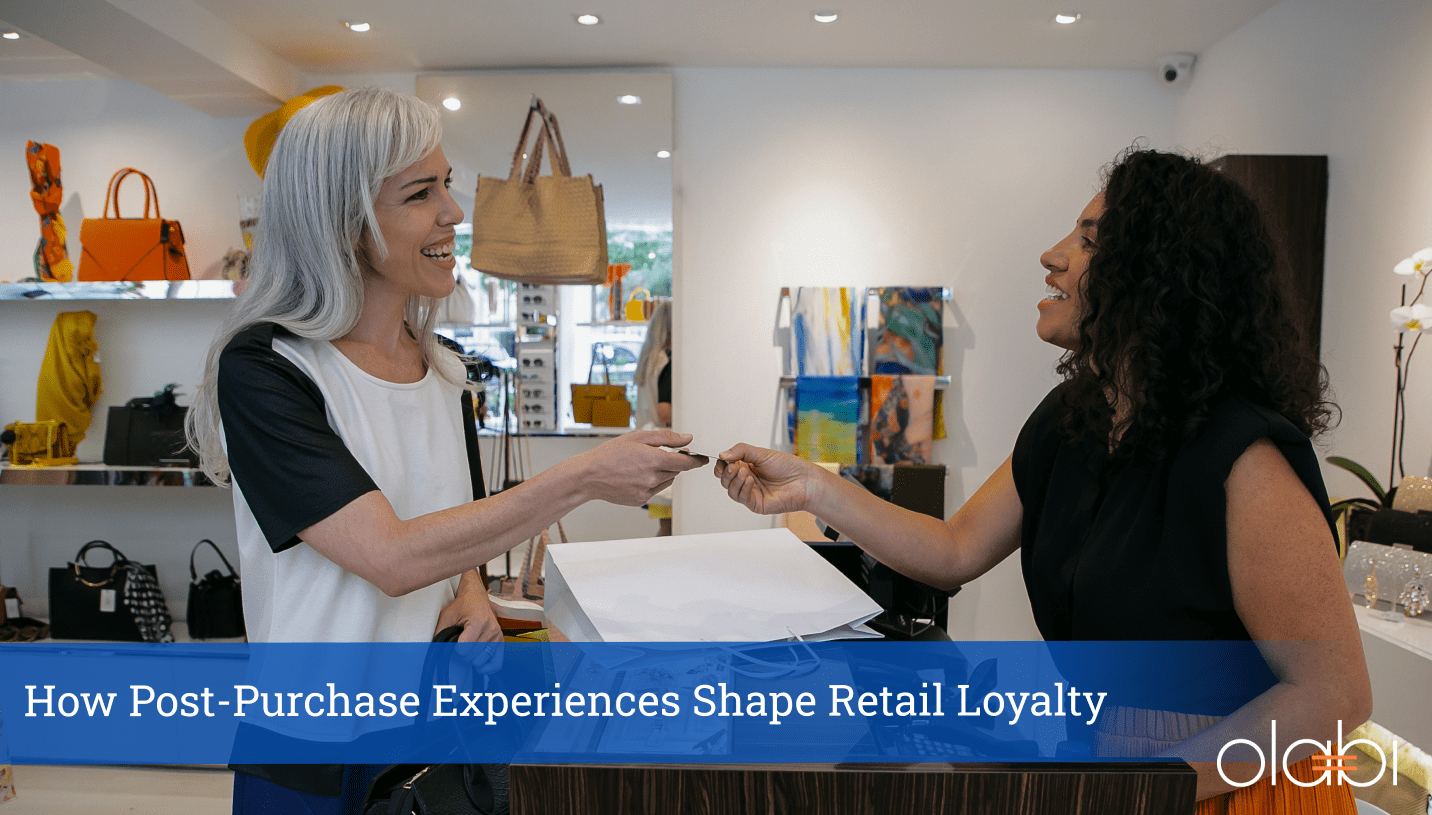
How Post-Purchase Experiences Shape Retail Loyalty
In today’s competitive retail landscape, post-purchase experiences have become just as important as the purchase itself. In simple terms, post-purchase experiences refer to every interaction and touchpoint a customer has with a brand after completing a transaction, from order confirmation and delivery to returns, exchanges, and after-sales support.
The modern customer journey doesn’t end at the checkout counter. Instead, it extends into how well a brand fulfills, communicates, and supports the customer after the sale. These moments determine whether a buyer feels valued or forgotten.
When retailers invest in creating smooth, transparent, and personalized post-purchase experiences, they build trust and emotional connection, turning one-time shoppers into repeat buyers and loyal advocates.
The Growing Importance of Post-Purchase Experiences
Consumer expectations have evolved dramatically in recent years. Shoppers today value not just the quality of a product, but the speed, transparency, and personalization that surround the entire buying journey. They expect instant updates on orders, flexible delivery options, and effortless returns, all supported by clear, proactive communication.
This shift has transformed retail from a transaction-driven model to a relationship-driven experience. A successful sale is no longer the finish line; it’s the starting point of an ongoing connection between the brand and the customer. Every post-purchase interaction, whether it’s a timely delivery notification, a smooth exchange process, or a thoughtful follow-up message, contributes to shaping how customers perceive the brand.
Retailers who excel in post-purchase engagement consistently see higher repeat purchase rates and improved customer lifetime value (CLV). When customers feel supported and valued after checkout, they’re more likely to return, spend more, and advocate for the brand, making post-purchase experiences a key driver of long-term loyalty.
Key Elements of a Strong Post-Purchase Experience
Delivering a great post-purchase experience requires attention to every touchpoint after the sale. Each element plays a vital role in reinforcing trust, satisfaction, and brand loyalty.
a. Seamless Order Fulfillment
The foundation of a positive post-purchase experiences begins with accurate and timely fulfillment. Customers expect their orders to arrive exactly as promised, on time, complete, and in perfect condition. Efficient logistics and real-time coordination between stores, warehouses, and delivery partners build reliability and set the tone for future interactions.
b. Real-Time Order Tracking
In an era of instant information, transparency is non-negotiable. Providing real-time order tracking and proactive status updates keeps customers informed, reduces anxiety, and enhances trust. Whether it’s an automated email or SMS update, visibility into the order journey makes customers feel in control.
c. Easy Returns & Exchanges
A frictionless returns and exchange process is one of the most powerful trust builders in retail. When customers know they can easily return or replace items, they shop with confidence. Simplified return workflows, integrated POS systems, and flexible exchange policies can transform what’s often seen as a pain point into an opportunity to strengthen relationships.
d. Personalized Follow-Ups
Personalization shouldn’t end with the sale. Thoughtful follow-ups, such as thank-you messages, care instructions, or tailored product recommendations, help maintain engagement and show that the brand values the individual beyond the transaction. These small gestures contribute to emotional connection and increase the likelihood of repeat purchases.
e. Loyalty & Feedback Loops
Finally, brands that reward repeat behavior and actively seek feedback demonstrate a genuine commitment to customer satisfaction. Loyalty programs, review requests, and post-purchase experiences survey not only encourage repeat buying but also provide valuable insights for continuous improvement. Retailers who listen and act on feedback can refine experiences and build stronger, long-term customer relationships.
How Post-Purchase Experiences Influence Loyalty
A strong post-purchase experiences doesn’t just satisfy customers, it directly impacts a retailer’s bottom line. Positive interactions after checkout play a crucial role in increasing Customer Lifetime Value (CLV) and reducing churn. When customers receive their orders on time, are kept informed throughout the process, and find returns simple and transparent, they’re far more likely to shop again. Each smooth experience builds a layer of trust that encourages repeat spending and long-term engagement.
Beyond the transactional benefits, post-purchase experiences also shape the emotional connection customers form with a brand. Consistent reassurance, through timely updates, personalized messages, and responsive support, cultivates a sense of reliability and care. Over time, this trust evolves into brand attachment, transforming satisfied buyers into loyal advocates who not only return but also recommend the brand to others.
In fact, research shows that retailers who invest in post-purchase engagement see up to a 60% increase in repeat purchase rates compared to those who focus solely on pre-purchase marketing. A customer who feels valued beyond the sale is more likely to stay loyal, proving that every delivery, return, and follow-up can become a moment that reinforces brand commitment.
Common Pitfalls Retailers Should Avoid
Even well-intentioned retailers can weaken customer relationships if key aspects of the post-purchase journey are overlooked. Avoiding these common pitfalls is essential to sustaining trust and loyalty.
1. Inconsistent Communication Post-Sale
Silence after purchase is one of the quickest ways to lose customer confidence. When updates are delayed or inconsistent, customers are left uncertain about order status or delivery timelines. Regular, proactive communication builds reassurance and sets clear expectations throughout the fulfillment process.
2. Complicated Return or Exchange Policies
Lengthy, confusing, or restrictive return processes can quickly turn satisfaction into frustration. A poor experience here often outweighs the positive aspects of the initial purchase. Simplifying return workflows, offering flexible policies, and ensuring cross-channel compatibility (online and in-store) can preserve goodwill and repeat intent.
3. Lack of Personalization in Post-Purchase Engagement
Generic messages and impersonal communication fail to make customers feel valued. Retailers who miss opportunities to personalize thank-you notes, recommendations, or loyalty offers risk appearing indifferent. Tailoring interactions based on past behavior or preferences makes the post-purchase phase more meaningful and memorable.
4. Ignoring Customer Feedback or Complaints
Customer feedback is one of the most valuable tools for improvement. Ignoring reviews, complaints, or service inquiries not only damages reputation but also signals neglect. Retailers that actively listen and respond to feedback demonstrate accountability, enhance customer trust, and gain insights for refining future experiences.
Leveraging Technology to Enhance Post-Purchase Experiences
Technology plays a pivotal role in shaping seamless and consistent post-purchase journeys. As retail operations grow more complex, integrating systems like CRM, POS, and omnichannel platforms is essential to delivering connected and customer-centric experiences.
1. Unified Customer Data Through CRM, POS, and Omnichannel Integrations
When customer data is fragmented across platforms, it becomes difficult to personalize engagement or track behavior accurately. By integrating CRM, POS, and omnichannel systems, retailers gain a unified view of each customer’s journey, from purchase history to communication preferences. This connectivity ensures that every post-purchase touchpoint, whether online or in-store, feels consistent and informed.
2. Automation for Notifications, Returns, and Follow-Ups
Automation has redefined how retailers interact with customers after a sale. From real-time shipping notifications and automated return confirmations to personalized follow-up messages, technology ensures that communication is timely, relevant, and effortless. Automated systems not only enhance convenience for customers but also free up store staff to focus on higher-value service interactions.
3. Data Analytics for Measuring Satisfaction and Loyalty
Post-purchase analytics offer valuable insights into customer satisfaction, repeat purchase behavior, and return patterns. By tracking metrics like Net Promoter Score (NPS), return frequency, and repurchase intervals, retailers can identify friction points and continuously refine their strategies. Predictive analytics can even forecast which customers are most likely to return, enabling proactive engagement.
4. How Olabi Powers Connected Post-Purchase Journeys
A connected retail platform like Olabi simplifies and enhances every stage of the post-purchase process. Through its integrated POS and omnichannel capabilities, Olabi enables:
- Seamless returns and exchanges across online and offline channels.
- Automated customer notifications for order updates and delivery status.
- Unified customer profiles that allow personalized engagement and loyalty integration.
- Real-time visibility into stock and order fulfillment for greater operational accuracy.
Conclusion
In today’s experience-driven retail landscape, post-purchase experiences are the new battleground for loyalty. The moments after checkout define how customers perceive a brand, whether they feel valued, supported, and confident enough to return. Retailers who excel in this stage transform transactions into relationships, and first-time buyers into lifelong advocates.
By investing in thoughtful post-purchase strategies, from transparent tracking to easy returns and personalized engagement, brands can build lasting trust and increase repeat business.
Discover how Olabi helps retailers create seamless post-purchase experiences that drive loyalty, retention, and long-term growth, schedule a demo with us today.
Share This Story, Choose Your Platform!
About the Author: Olabi

