
Olabi Sutras
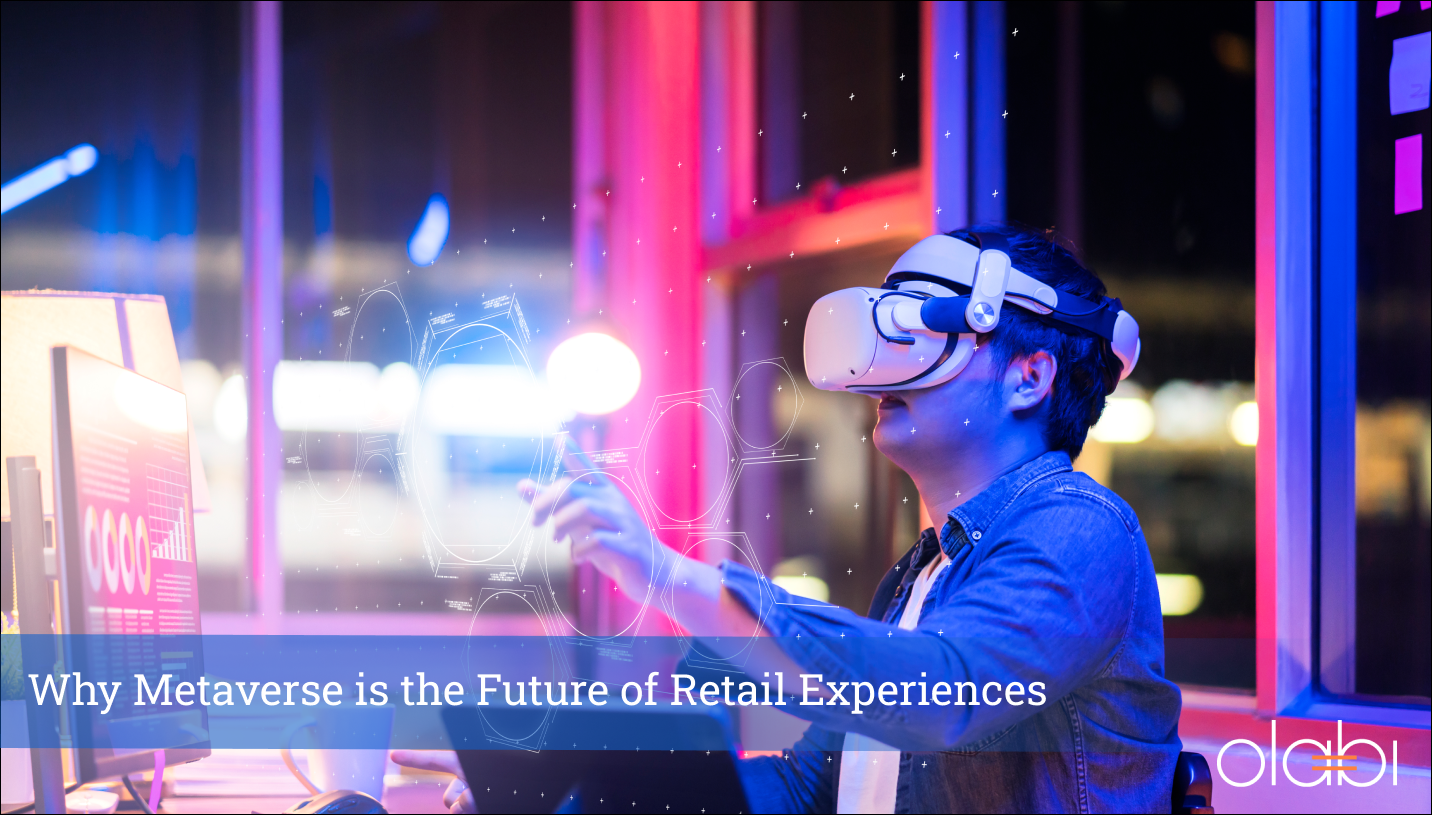
Why Metaverse is the Future of Retail Experiences
The retail industry has always thrived on innovation. From the first department stores to the rise of e-commerce, each leap forward has been driven by a desire to enhance the customer experience and meet ever-changing consumer expectations. Now, we stand on the brink of the next revolution: the metaverse.
The metaverse is not just a buzzword; it is a transformative force that promises to redefine the way we shop, interact with brands, and experience retail. With immersive technologies like virtual reality (VR), augmented reality (AR), and blockchain paving the way, the metaverse offers an entirely new dimension of possibilities. Imagine trying on clothes virtually, exploring digital storefronts from the comfort of your home, or engaging with brands in a fully interactive virtual world.
As consumers demand more personalized and engaging shopping experiences, the metaverse provides an answer that is as innovative as it is inevitable. In this blog, we’ll explore why the metaverse is poised to become the future of retail experiences, the benefits it offers to both businesses and consumers, and how brands can prepare for this exciting new frontier.
Understanding the Metaverse
The metaverse is a digital universe where physical and virtual realities converge to create immersive, interactive environments. It is more than a single platform, it’s a network of interconnected spaces that enable users to interact with digital content and other users in real-time. In the context of retail, the metaverse offers boundless opportunities for brands to engage with consumers on a deeper level.
What is the Metaverse?
The metaverse can be described as a collective virtual shared space that is created by the fusion of virtually enhanced physical reality and persistent virtual reality. It is accessible through various devices such as VR headsets, AR glasses, and even standard computers and smartphones, making it an inclusive platform for diverse user experiences.
Key Technologies Enabling the Metaverse
Virtual Reality (VR): Provides fully immersive environments where users can interact with products and spaces as if they were physically present.
Augmented Reality (AR): Enhances the physical world by overlaying digital information, allowing users to visualize products or experiences in real-world settings.
Blockchain: Ensures secure transactions and enables the creation of unique digital assets such as NFTs (Non-Fungible Tokens) for exclusive products or experiences.
Artificial Intelligence (AI): Powers personalization, automates virtual assistants, and analyzes user behavior to optimize experiences within the metaverse.
Examples of How the Metaverse Operates in Other Industries
Gaming: Platforms like Fortnite and Roblox have pioneered metaverse concepts, creating immersive spaces where users can interact, attend virtual events, and even shop for digital goods.
Real Estate: Virtual property tours and digital real estate investments have gained traction, enabling buyers to explore spaces without physical travel.
Education: Virtual classrooms and training simulations provide interactive and engaging learning environments for students and professionals.
By understanding these foundational aspects of the metaverse, retailers can better envision how to harness its potential to revolutionize the shopping experience.
Current Challenges in Retail
Despite technological progress, the retail sector continues to face significant challenges that hinder its ability to fully meet evolving consumer demands. Understanding these challenges is essential for appreciating how the metaverse can provide transformative solutions.
Limitations of Traditional and E-commerce Models
- Physical retail struggles with geographical limitations, restricted inventory space, and operational inefficiencies.
- E-commerce, while convenient, often lacks the tactile and immersive experience that physical stores offer.
- Both models face challenges in creating a truly engaging and interactive customer journey.
Increasing Demand for Immersive and Personalized Shopping Experiences
- Modern consumers expect more than just transactions; they seek experiences that resonate with their preferences and lifestyles.
- The lack of personalization and interactivity in many current retail models leads to missed opportunities for deeper customer engagement.
Need for Better Customer Engagement Strategies
- The retail sector often struggles to maintain consistent and meaningful interactions with customers across multiple touchpoints.
- Traditional loyalty programs and marketing tactics fail to address the dynamic preferences of today’s tech-savvy consumers.
By addressing these challenges, the metaverse has the potential to revolutionize retail, offering solutions that enhance engagement, personalization, and operational efficiency.
How the Metaverse is Transforming Retail
Virtual Stores and Showrooms: The metaverse offers retailers the ability to create immersive, virtual environments where customers can browse and shop for products as if they were in a physical store. These virtual stores break down geographical limitations, allowing retailers to reach global audiences in ways traditional e-commerce cannot. Customers can explore products, interact with them, and even try them out in a virtual setting.
Enhanced Personalization Through Avatars and AI: Retailers can leverage avatars and AI to create deeply personalized shopping experiences. AI can analyze customer behavior and preferences to offer tailored recommendations, while avatars allow customers to interact with the store and products in a more engaging, human-like way. These advancements make the shopping experience more immersive and emotionally engaging.
Digital Twins for Products and Store Layouts: Digital twins, which are virtual replicas of physical objects or spaces, are being used in the metaverse to replicate real-world products and store layouts. Retailers can show digital twins of their merchandise, allowing customers to experience products in 3D, inspect them from every angle, and visualize how they would look in their own lives or homes before making a purchase.
Increased Engagement via Gamification and Interactive Experiences: The metaverse creates opportunities for retailers to incorporate gamification into their shopping experience. This includes interactive features such as virtual treasure hunts, loyalty rewards, and virtual events that encourage users to engage with the brand in a fun and immersive way. Gamification boosts customer engagement, making the shopping experience not only transactional but enjoyable and memorable.
Benefits of the Metaverse in Retail
24/7 Accessibility for Global Audiences: The metaverse is always accessible, allowing retailers to reach customers from around the world at any time of day. Unlike physical stores that have restricted hours, a virtual store in the metaverse provides round-the-clock access, making it easier for retailers to expand their market reach and cater to different time zones.
Cost Savings with Virtual Trials and Reduced Physical Inventory: One of the key advantages of the metaverse is the ability to offer virtual trials of products. Consumers can try clothes, accessories, and even furniture in virtual environments, which reduces the need for physical inventory and returns. Retailers can also showcase a wider range of products without the need for costly real-world displays or large inventories.
Improved Customer Insights Through Data-Driven Virtual Interactions: Virtual interactions within the metaverse provide retailers with valuable data on customer behavior, preferences, and buying patterns. This data can be used to refine marketing strategies, improve product offerings, and enhance customer service. Retailers can track how customers interact with virtual products, which areas of the store they visit most, and how long they spend interacting with different items.
Fostering Brand Loyalty Through Unique Experiences: The metaverse offers unique opportunities for brands to create memorable, one-of-a-kind experiences that foster deeper connections with customers. By offering exclusive virtual events, limited-edition digital products, or personalized shopping experiences, retailers can cultivate strong brand loyalty. These experiences create emotional connections that traditional shopping methods may not achieve.
Real-World Examples and Innovations
Several brands are already experimenting with metaverse technologies to engage customers in innovative ways. For example,
Nike launched virtual stores and experiences in platforms like Roblox, where users can purchase virtual sneakers and accessories for their avatars. This approach has allowed Nike to tap into younger audiences who are actively engaged in the metaverse, blending gaming with shopping.
Gucci introduced virtual showrooms in the metaverse, where customers can explore digital versions of their iconic products. These virtual showrooms offer a more immersive shopping experience, allowing users to interact with products in 3D before making a purchase. Gucci’s entry into the metaverse demonstrates how luxury brands can create exclusive digital experiences while expanding their reach to a new, tech-savvy customer base.
Overcoming Barriers to Adoption
While the metaverse offers great promise, retailers face several challenges in its adoption. The most significant hurdles include technological investment and the associated costs. Virtual and augmented reality tools, 3D modeling, and integration with existing retail systems require substantial infrastructure. Smaller businesses might find the initial financial commitment overwhelming.
However, as technology becomes more affordable and accessible, the barriers to entry will decrease, making it easier for even small and mid-sized businesses to explore metaverse opportunities. Retailers can start small by testing virtual showrooms or limited virtual events to gauge consumer interest before scaling up their efforts.
Another critical barrier is building consumer trust, especially when it comes to data privacy. The metaverse is still a relatively new frontier, and many customers are concerned about how their personal information is being handled. Retailers must prioritize transparency regarding data collection and security measures.
Blockchain technology can be a helpful tool here, offering greater security and giving customers more control over their data. Additionally, educating consumers on the privacy safeguards in place will be key to overcoming their hesitations and fostering trust in virtual shopping environments.
Conclusion
The metaverse is a game-changer for retail, offering endless possibilities to enhance the shopping experience with virtual stores, digital twins, gamification, and personalized avatars. It allows retailers to build deeper connections with customers and foster brand loyalty through immersive experiences.
While challenges like technological investment and data privacy exist, the benefits outweigh the risks. By starting small with virtual stores or limited events, retailers can introduce customers to this new world. As the metaverse evolves, those who embrace it now will be ahead in the future of retail, where the lines between physical and digital continue to blur.
Schedule a demo with Olabi to stay ahead of the curve in the retail industry.
Share This Story, Choose Your Platform!
About the Author: Olabi

