
Olabi Sutras
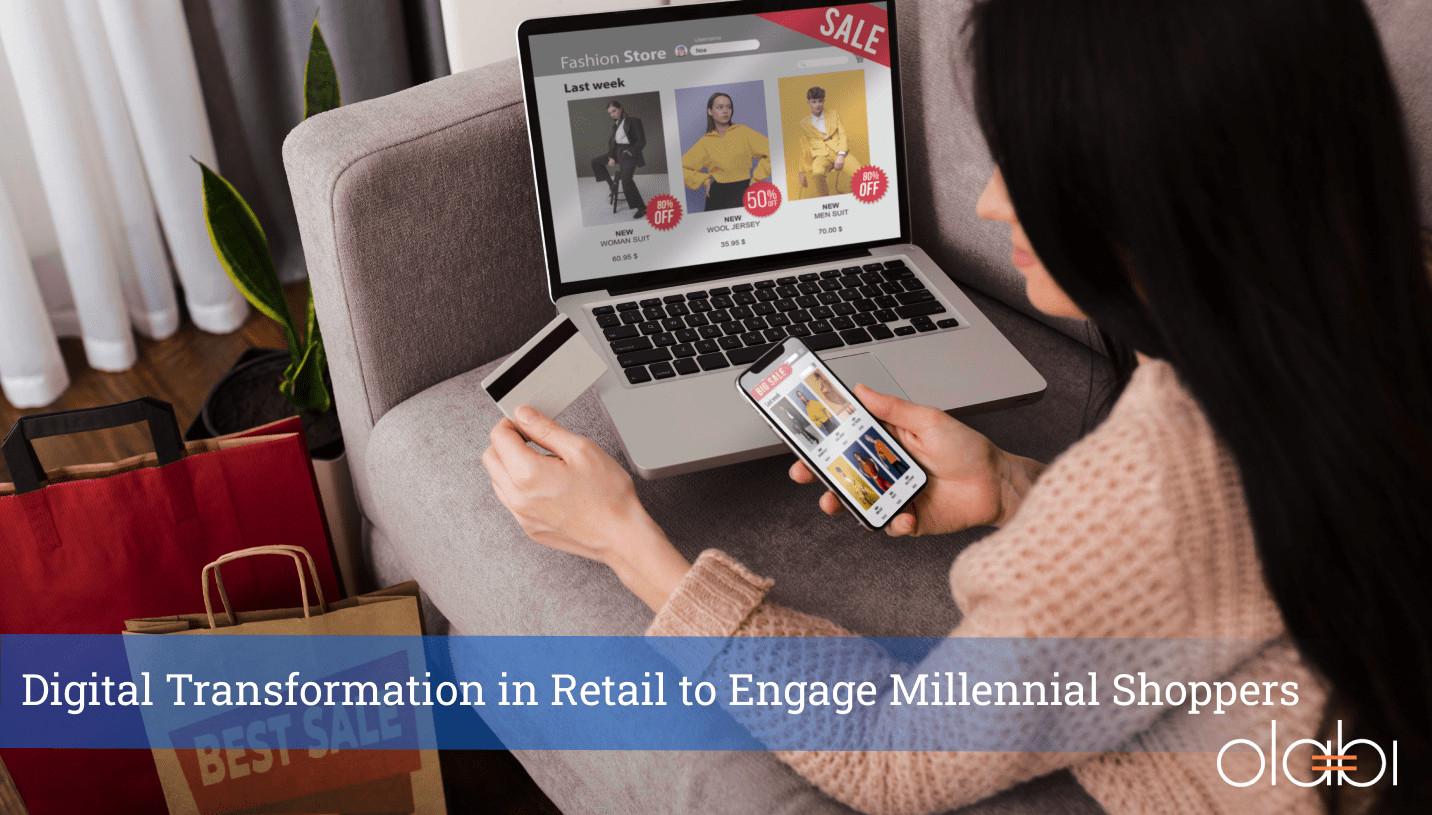
Why Digital Transformation is Essential for Retailers to Engage Millennial Shoppers
Millennials, now in their 20s and 30s, have become the dominant force in the retail industry, reshaping how brands connect with consumers. With a strong preference for technology-driven shopping experiences, this generation expects seamless integration between online and offline channels, personalized interactions, and the ability to shop anytime, anywhere. Digital transformation in retail is no longer optional, it’s a necessity for retailers who want to attract and retain millennial shoppers.
Millennials are digital natives who rely heavily on smartphones, social media, and e-commerce platforms to make purchasing decisions. Research shows that over 65% of millennials prefer shopping online, yet they still appreciate in-store experiences when they offer added value, such as the ability to pick up online orders in person (BOPIS).
With such a strong demand for convenience and personalization, retailers must adapt to these expectations by investing in digital solutions that enhance the customer journey at every touchpoint.
Decoding Millennials’ Digital-Driven Habits
Millennials are highly attuned to the digital world, having grown up during the internet and smartphone revolutions. As digital natives, they are accustomed to instantaneous access to information, products, and services. According to a recent study, over 75% of millennials in urban India use smartphones for various activities, including shopping, social media engagement, and entertainment. This generation’s connection to technology is not just limited to online browsing but extends to the seamless integration of digital tools into their everyday lives, making digital interactions a significant aspect of their shopping habits.
Millennials also demand a higher degree of personalization and convenience from brands, which is why the retail landscape must adapt to their digital-first mentality and should be ready for a digital transformation. This generation’s expectations go beyond just browsing products online, they look for options like instant product availability, digital customer support, and efficient online payment methods. As a result, brands that fail to create fluid digital experiences risk losing engagement from this powerful consumer base.
Understanding the Shopping Behaviors of Millennials
Online Shopping Preference:
Millennials in India show a strong inclination toward online shopping, driven by the convenience and flexibility it offers. With a busy lifestyle and growing dependence on digital platforms, millennials prefer the ability to compare prices and browse an extensive variety of products without the need to step outside their homes. A Mintel survey reveals that 62% of millennials prefer shopping online for categories such as fashion, electronics, and beauty products.
Key reasons for this preference include the convenience of home delivery, the ability to compare prices and read reviews instantly, and the time-saving advantage of shopping from the comfort of their homes. Online shopping allows them to make quicker, informed purchasing decisions, without the time constraints associated with in-store visits. For a brand that has embraced digital transformation and established its own webstore or presence on marketplaces, the shopping experience becomes significantly more convenient for consumers.
In-Store Shopping:
Despite their preference for the ease of online shopping, millennials in India still hold value in the in-store shopping experience. A PWC India report indicates that 46% of millennials enjoy browsing physical stores, even if they do not make an immediate purchase. For this generation, the tactile experience of being able to physically touch, feel, and try products before making a decision remains significant.
Whether it’s testing out the texture of fabrics in fashion, feeling the weight and build of electronics, or testing beauty products firsthand, these sensory experiences are difficult to replicate online. This suggests that, even as digital shopping continues to rise, physical stores continue to play an important role in the decision-making process for millennials, which ultimately would make a good reason for adapting digital transformation.
Omnichannel Behavior:
Millennials in India are also heavily engaged in omnichannel shopping, seamlessly blending both online and offline shopping experiences to suit their preferences. According to recent trends, 47% of millennials in India use services like Buy Online, Pick Up In Store (BOPIS), which allows them to enjoy the convenience of online shopping while still being able to pick up their orders in-store.
Additionally, 34% of them prefer to visit physical stores to experience products in person before finalizing their online purchase. This omnichannel behavior reflects the growing consumer demand for an integrated, flexible shopping experience, where they can transition smoothly between digital and physical retail touchpoints. By achieving digital transformation, brands can deliver the best of both online and offline experiences, meeting a key expectation for today’s generation of shoppers.

Together, these trends highlight that millennials in India are shaping the future of retail by blending the best aspects of online and offline shopping, making seamless, multichannel shopping experiences a significant priority for brands and retailers.
To stay competitive, retailers must embrace digital transformation by adopting omnichannel platforms. Millennials value flexibility, so offering a seamless experience between online browsing, in-store shopping, and services like BOPIS is crucial. Retailers should ensure their platforms allow smooth transitions across channels, making it easy for consumers to shop the way they prefer.
Additionally, with the rise of mobile commerce, optimizing for mobile is essential. Millennials often use smartphones to research products, even while in-store. By prioritizing mobile-friendly websites, apps, and digital payment options, retailers can provide convenience and improve the shopping experience, driving customer satisfaction and loyalty.
Leveraging Social Media for Engagement and Brand Loyalty
For millennials, social media is not just a platform for socializing, it’s also a key driver of purchasing decisions. Retailers must leverage digital transformation to tap into the power of social media for customer feedback, influencer partnerships, and community engagement. By establishing a strong social media presence, brands can create a direct line of communication with their customers, building loyalty and trust.
Social platforms offer retailers an opportunity to engage with their audience in real-time, gather insights, and showcase their products in a more personalized way through influencer marketing. This kind of authentic, community-driven interaction can significantly enhance brand awareness and strengthen customer relationships, fostering a sense of belonging among millennials.
Streamlined Payment Options for a Seamless Checkout Experience
Millennials demand quick, easy, and secure checkout processes when shopping online and in-store. Retailers can meet these expectations by offering a variety of modern payment options that cater to their preferences. Digital wallets like Apple Pay, Google Pay, and Paytm make it easier for customers to complete transactions with a few taps, reducing friction at the checkout stage.
Additionally, services like Buy Now Pay Later (BNPL) allow millennials to split payments, giving them flexibility without the burden of immediate costs. For the more tech-savvy shoppers, integrating cryptocurrency payments can further enhance the convenience and appeal of a brand. By offering a range of payment options, retailers not only ensure a smoother, faster checkout experience but also build customer trust by providing secure, familiar, and flexible methods of payment.
Conclusion
Millennials’ digital-first approach has reshaped how retailers must engage and connect with consumers. This generation values seamless online-to-offline shopping, personalization, and convenience, making digital transformation essential for brands. By adopting omnichannel options like BOPIS, mobile-optimized platforms, and streamlined payment choices, retailers can cater to millennials’ expectations for flexible, effortless experiences.
Social media engagement and adaptable payment options further build brand loyalty and trust, aligning with millennial values. Ultimately, brands that prioritize a connected, responsive shopping journey will foster lasting connections with this influential consumer group.
Stay Ahead with Olabi: Digital Transformation Tailored for Today’s Retail Needs
With Olabi, your retail business can seamlessly adapt to the digital age. Our platform is designed to empower you with the tools needed to meet the dynamic demands of today’s shoppers. From omnichannel integration to mobile optimization and flexible payment solutions, Olabi equips your business with the technology to create smooth, personalized experiences.
As consumer expectations evolve, Olabi ensures your brand stays ahead of the curve, offering solutions that make shopping convenient, engaging, and future-ready. Let us help you transform how you connect with your customers. Schedule a demo with us to know more.
Share This Story, Choose Your Platform!
About the Author: Olabi

