
Olabi Sutras
What Is a Content to Commerce Strategy? Insights from Myntra’s GlamStream Experience
Shoppers today don’t just buy products, they follow trends, consume content, and seek inspiration before making a purchase. The journey from discovery to checkout is no longer linear, and brands that can blend storytelling with seamless shopping stand to win.
This is where a Content to Commerce strategy comes in, an approach that connects engaging content with immediate buying opportunities. One standout example of this is Myntra’s GlamStream, a new format that combines influencer-led live video with real-time, in-stream product purchases.
In this blog, we’ll break down what a content to commerce strategy involves, how GlamStream is applying it effectively, and why it’s becoming essential for modern retail brands looking to drive both engagement and conversions.
What Is a Content to Commerce Strategy?
A Content to Commerce strategy is a marketing and sales approach that seamlessly integrates editorial or interactive content with direct shopping functionality. Instead of sending users through multiple touchpoints, from social media to product pages to checkout, this strategy enables them to consume content and shop within the same experience.
It’s designed to mimic how modern consumers discover products today: through videos, influencers, blogs, and social feeds, not just search bars or banner ads.
How It Differs from Other Approaches:
- Content Marketing focuses on brand storytelling, education, or engagement. It builds awareness and loyalty but doesn’t always drive immediate action.
- Performance Marketing focuses on metrics like CTR, conversions, and ROAS, often using ads or landing pages to drive purchases.
- Content to Commerce, however, sits in between, merging the inspiration of content with the immediacy of commerce. It removes friction and accelerates the path from discovery to transaction.
Key Formats in Content to Commerce:
- Shoppable Videos
Videos that allow users to click on products in real time and purchase directly. Often used in product showcases, tutorials, or styling guides. - Livestream Commerce
Real-time video selling events hosted by influencers, stylists, or staff. Viewers can interact, ask questions, and instantly buy featured products during the stream. - Influencer Collaborations
Partnering with creators to generate content that includes product links, styling ideas, or discount codes, all aimed at encouraging immediate purchase. - UGC with Embedded Links
Curated user-generated content (photos or videos) on websites or product pages, enhanced with direct product tags or “shop the look” functionality. - Digital Lookbooks & Style Edits
Interactive editorials or seasonal guides with clickable images, allowing consumers to add-to-cart directly from the content.
Why Content to Commerce Is Gaining Ground
The shift toward content to commerce isn’t just a trend, it’s a response to how consumer behavior has fundamentally evolved in the digital age. Several key factors are driving the rapid adoption of this strategy:
1. The Rise of the Creator Economy
Influencers, stylists, and creators now play a central role in product discovery. Audiences trust them for recommendations, styling tips, and trend insights. Content to commerce leverages this by turning their content into a direct buying channel, making creators not just promoters, but instant conversion drivers.
2. Declining Effectiveness of Traditional Advertising
Banner blindness, ad fatigue, and increasing use of ad blockers have diminished the impact of conventional digital ads. Shoppers today prefer content that feels authentic and informative, not overtly promotional. Content to commerce aligns with this preference by delivering value-first content that also happens to be shoppable.
3. Shrinking Attention Spans Demand Instant Value
Consumers, especially Gen Z and millennials expect quick, engaging, and actionable content. A blog post or video must not only entertain or educate but also lead seamlessly to a purchase decision. Content to commerce strategies meet this need by integrating storytelling with instant shopping options.
4. The Rise of Mobile-First Shopping
With most users discovering and buying products through smartphones, the journey from scroll to sale needs to be as frictionless as possible. Content to commerce creates mobile-native experiences, whether it’s through Instagram reels, live videos, or interactive lookbooks, allowing shoppers to browse and buy without switching apps or tabs.
Myntra’s GlamStream: A Case in Point
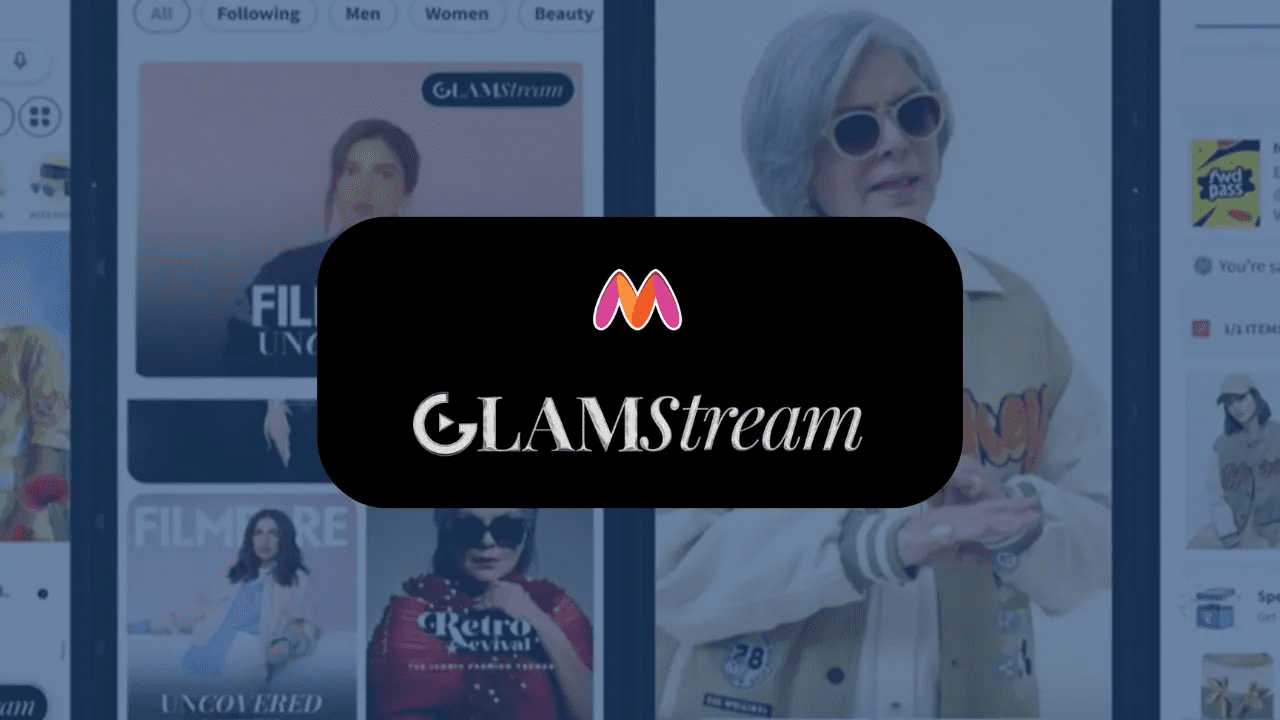
To understand how content to commerce plays out in real-world retail, look no further than Myntra’s GlamStream, an innovative live video shopping initiative rolled out by the fashion and lifestyle giant.
What Is GlamStream?
GlamStream is Myntra’s answer to combining entertainment, influencer culture, and seamless shopping. It features interactive live shopping events where fashion influencers and stylists go live to showcase curated looks, try on outfits, and recommend products, all while viewers can engage and shop in real time.
Key Elements of the Experience:
- Scheduled Livestreams: Promoted in advance on the app and social media, creating appointment-based engagement.
- Influencer Styling Sessions: Popular fashion creators host the streams, offering styling tips, product reviews, and outfit inspiration.
- Interactive Shopping: As the hosts present items, viewers can instantly click on the showcased products and add them to cart without leaving the stream.
- Seamless Checkout: The process is integrated into Myntra’s mobile experience, ensuring a frictionless path from inspiration to purchase.
Strategic Objectives Behind GlamStream:
- Drive deeper engagement by merging entertainment with product discovery.
- Encourage impulse purchases through limited-time deals or influencer-driven urgency.
- Boost app stickiness by increasing session duration and repeat visits.
What’s the Impact So Far?
While Myntra hasn’t released specific numbers, early indicators point toward:
- Increased session times during GlamStream events
- Strong conversion uplift when influencer recommendations are tied to live discounts
- A higher rate of product interaction and wishlist additions during and after streams
Myntra’s GlamStream showcases how content, community, and commerce can converge to redefine the shopping experience, not through static listings, but through dynamic, interactive storytelling.
Key Benefits of a Content to Commerce Strategy
Adopting a content to commerce strategy can deliver significant advantages for modern retailers, especially those operating in fashion, beauty, and lifestyle segments. Some of the most impactful benefits include:
1. Higher Engagement and Longer Session Durations
Interactive and entertaining content keeps users engaged longer than static product pages. Whether it’s a livestream or a shoppable video, viewers are more likely to stay on the platform and explore further.
2. Improved Product Discovery and Personalization
Content allows retailers to showcase products in context, styled looks, tutorials, or real-life use cases, making it easier for consumers to discover what suits their needs or style.
3. Greater Trust Through Influencer-Led Content
When familiar creators or stylists present products, it builds credibility and trust. Influencers act as relatable guides, helping reduce hesitation and boosting confidence in purchase decisions.
4. Stronger Appeal to Mobile-First and Gen Z Audiences
Gen Z and millennial consumers gravitate toward short-form, video-based, mobile-friendly formats. Content to commerce naturally fits into their preferred way of discovering and interacting with brands.
5. Higher Average Order Value (AOV)
By curating bundles, styling complete looks, or suggesting complementary products during content experiences, retailers can increase basket size and drive more value per transaction.
Implementing a Content to Commerce Model: What Retailers Need
To successfully execute a content to commerce strategy, retailers must build the right infrastructure and team alignment. Here are the essential components for a robust implementation:
1. Shoppable Content Infrastructure
Invest in shoppable video tools, livestream commerce platforms, or native features that allow embedded product links within content formats.
2. Scalable Tech Stack
Ensure backend systems support this strategy, such as a headless commerce platform that allows dynamic frontends, real-time updates, and flexible integrations with content layers.
3. Integrated Analytics
Track the full view-to-sale journey with analytics that measure content engagement, click-throughs, conversion rates, and product performance across formats.
4. Creator Partnerships or Store Associate Enablement
Partner with influencers who align with your brand or empower store staff to become content creators, offering authentic, contextual product stories to your audience.
5. Cross-Functional Team Alignment
Bring together content, commerce, marketing, and tech teams to plan unified campaigns, ensuring that storytelling and product delivery are aligned.
6. Pilot, Then Scale
Start with small-scale experiments, limited campaigns, influencer streams, or seasonal lookbooks, to test formats, gauge ROI, and refine the strategy before rolling out at scale.
Conclusion
Content to commerce is no longer a passing trend, it marks a fundamental change in how modern consumers discover, evaluate, and purchase products. Today’s shoppers seek inspiration and information before they buy, and they expect brands to offer a seamless transition from content to checkout.
Myntra’s GlamStream exemplifies how this model can come to life: combining entertainment, influencer engagement, and instant purchasing to create a frictionless shopping experience. It shows that with the right tools and strategy, content can do more than attract, it can convert.
For retailers looking to stay relevant and competitive, now is the time to invest in content formats that are not just engaging, but shoppable. Whether it’s livestreams, shoppable videos, or influencer-driven experiences, the opportunity lies in merging storytelling with transaction and doing it in a way that feels natural, mobile-first, and tailored to your audience.
Share This Story, Choose Your Platform!
About the Author: Olabi

